
Raw Herbs
Raw herbs, or prepared herb slices (yin pian, 饮片), are the most traditional form of Chinese herbal medicine: dried roots, barks, seeds, flowers and minerals, weighed out for your prescription and simmered at home into a herbal decoction.
Book an appointment →Understanding Raw Herbs
-
What they are
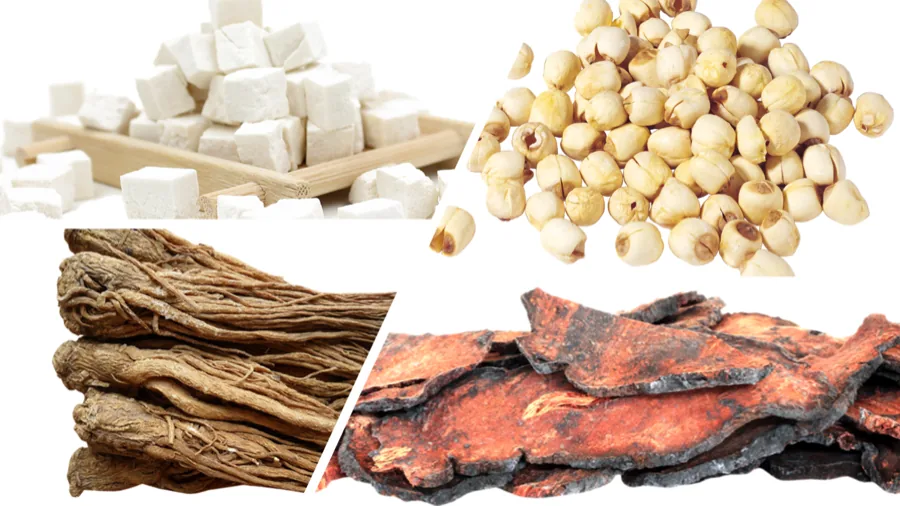
Prepared herb slices: roots, barks, seeds and fungus What Are Prepared Herb Slices (Yin Pian)?
In a Chinese pharmacy, herbs are not dispensed straight from the field. Each medicinal material is first cleaned, cut and processed into a form that is ready to cook. These prepared pieces are called yin pian (饮片), which literally means “slices for drinking”.
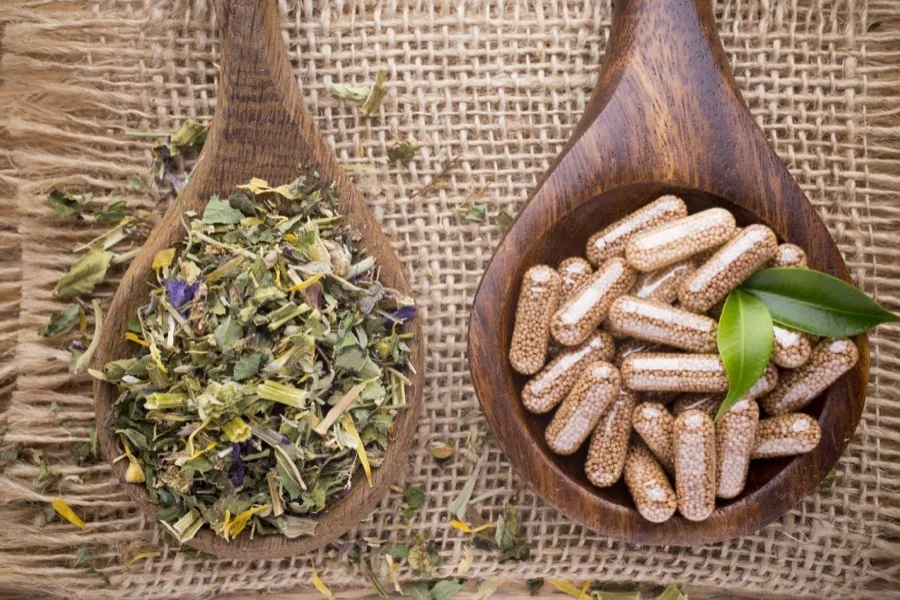
When you open your bag of herbs you may see thin slices of root such as astragalus or liquorice, curls of bark such as cinnamon, whole seeds and fruits such as goji berries and Chinese dates, dried flowers such as chrysanthemum, pieces of fungus such as poria, and sometimes minerals or shells such as oyster shell. Each one has been chosen and weighed for your prescription.
Roots & rhizomessliced thinly so they release more into the waterBarks, stems & leavescut into short piecesSeeds, fruits & flowersusually left whole or lightly crushedMinerals & shellscrushed, and often cooked first for longerFigure 1. The main kinds of prepared herb slices you may find in a raw-herb prescription.
-
From the field
How Are Medicinal Herbs Grown and Harvested?
Most Chinese medicinal herbs are not wild plants picked by chance. They are cultivated on farms in China specifically for medicine, and growers follow the same principle that Chinese medicine has valued for centuries: the right herb, from the right place, picked at the right time.
Herbs grown in their traditional home region are called dao di (道地药材), or “authentic regional” herbs, because the local soil and climate are thought to give the best quality. Well-known examples include goji berries from Ningxia, Chuan Xiong (Szechuan lovage root) from Sichuan, Chinese yam (Huai Shan Yao) from Henan and ginseng from the north-east.
Timing matters too. Roots are usually dug in autumn or early spring, when the plant has stored its strength underground; leaves are picked when they are fully grown; flowers are gathered in bud or as they open; and fruits and seeds are picked when ripe. The harvest is then carefully dried so it keeps without spoiling.
Right placedao di herbs from their traditional growing regionsRight seasoneach part harvested when it is at its bestRight partroot, bark, leaf, flower or seed, as the formula needsCareful dryingso the herbs keep their quality in storageFigure 2. What traditional growers look for in good-quality medicinal herbs.
-
Processing
What Is Pao Zhi, and Why Are Herbs Processed?
Before a herb becomes a prepared slice, it goes through pao zhi (炮制), the traditional craft of processing medicinal materials. The basic steps are cleaning (removing soil and impurities), softening and slicing, and drying. Many herbs then go through a further step that changes how they act:
- Stir-frying (炒): dry-frying in a hot wok until golden or lightly charred. Charred hawthorn, for example, is traditionally used more for digestion.
- Honey-frying (蜜炙): frying with a little honey. Honey-fried liquorice (Zhi Gan Cao) is gentler and more nourishing than raw liquorice.
- Frying with wine, vinegar or salt: traditionally used to guide a herb towards a particular part of the body or to strengthen a particular action.
- Steaming and calcining: steaming changes raw rehmannia, which is cooling, into prepared rehmannia (Shu Di Huang), which nourishes the Blood; calcining (heating) shells and minerals makes them easier to extract.
Processing can reduce harshness or side effects, change a herb’s nature, strengthen its action, and make it easier to cook and store. It needs specialist skill and good quality control[2], which is one reason we source our herbs only from reputable suppliers.
Harvested herb
dried at sourceClean & sliceSoil and impurities are removed, and the herb is softened and cut.DryThe slices are dried so they keep well.Fry, steam or calcineSome herbs are processed further, for example with honey, to adjust their action.Figure 3. The journey from harvested herb to prepared slice.
-
Modern Scientific Perspective
What Does Research Say About Decoctions?
Boiling extracts water-soluble compounds from the herbs, and the way a herb is prepared can change what ends up in the cup. A famous example is the discovery of artemisinin, now a key antimalarial drug: Tu Youyou’s team was inspired by a 4th-century text that described soaking sweet wormwood (qinghao) in cold water, which led them to a low-temperature extraction method[1]. It shows both the value of traditional knowledge and why preparation methods matter.
Clinical evidence varies by condition. A Cochrane review of Chinese herbal medicine for eczema did not find conclusive evidence that it reduces severity, and called for better-designed trials[3]. A systematic review comparing decoctions with concentrated granules found similar results in most trials, although trial quality was low[4]. Raw herbs can interact with medicines and are not suitable for everyone, so we prescribe them only after a full consultation and ask you to keep your GP informed.
References
- Tu Y. The discovery of artemisinin (qinghaosu) and gifts from Chinese medicine. Nature Medicine. 2011;17(10):1217–1220. doi.org/10.1038/nm.2471
- Liu SH, Chuang WC, Lam W, Jiang Z, Cheng YC. Safety surveillance of traditional Chinese medicine: current and future. Drug Safety. 2015;38(2):117–128. doi.org/10.1007/s40264-014-0250-z
- Gu S, Yang AWH, Xue CCL, Li CG, Pang C, Zhang W, Williams HC. Chinese herbal medicine for atopic eczema. Cochrane Database of Systematic Reviews. 2013;(9):CD008642. doi.org/10.1002/14651858.CD008642.pub2
- Luo H, Li Q, Flower A, Lewith G, Liu J. Comparison of effectiveness and safety between granules and decoction of Chinese herbal medicine: a systematic review of randomized clinical trials. Journal of Ethnopharmacology. 2012;140(3):555–567. doi.org/10.1016/j.jep.2012.01.031
What you need to know
- 1Before you cook
Choose the Right Pot and Soak the Herbs
- Use a ceramic or clay pot (the traditional choice), or a glass or stainless-steel pan with a lid.
- Never use iron or aluminium. These metals can react with compounds in the herbs and change the decoction.
- Empty one day’s bag of herbs into the pot. A quick rinse is fine if they look dusty, but do not scrub them.
- Add cold water to about 2–3 cm above the herbs and leave them to soak for 30–60 minutes, so the dried herbs soften before cooking.
- 2Special instructions
Herbs That Go In First, Last or Separately
Some herbs come in separate, labelled packets. Please follow the label:
- Decoct first (先煎, xian jian): minerals and shells, such as oyster shell, are boiled on their own for 20–30 minutes before the other herbs are added.
- Add near the end (后下, hou xia): aromatic herbs, such as mint, are added in the last 5–10 minutes so their fragrant oils are not boiled away.
- Wrap before cooking (包煎, bao jian): fine seeds, powders and furry herbs are tied in a muslin or cotton bag so they do not stick to the pot or make the liquid gritty.
- Dissolve separately (烊化, yang hua): gelatins such as E-jiao are melted in the hot, strained decoction (or a little hot water) rather than boiled with the herbs.
- 3Cooking
Two Decoctions, Combined
- Bring the pot to the boil on a high heat, then turn it down to a gentle simmer with the lid on.
- First decoction: simmer for about 30–40 minutes, then strain the liquid off. Your practitioner may give a shorter time for light, aromatic formulas or a longer one for tonic formulas.
- Second decoction: add fresh water to just cover the herbs again and simmer for another 20–30 minutes. Strain.
- Mix the two batches together. You will usually have about 300–400 ml, one day’s dose.
- Do not let the pot boil dry. If the herbs burn, throw them away and start again with a fresh bag.
- 4Taking it
How to Drink Your Decoction
- Divide the day’s decoction into two portions, usually morning and evening, and drink it warm.
- Your practitioner will tell you whether to take it before or after meals; formulas that can be hard on the stomach are often taken after food.
- Keep the second portion in a covered glass container in the fridge and warm it gently before drinking. Make a fresh batch each day unless told otherwise.
- Raw food, cold drinks, spicy food and alcohol may slow your progress; warm, cooked meals are best.
- Stop and contact us if you feel unwell, develop a rash or have digestive upset. Your practitioner will review your progress and adjust the formula as you change.
Conditions raw herbs are often used for
Raw-herb decoctions are often chosen for complex or long-standing problems where the formula needs regular fine-tuning. These are some of the most common reasons our patients choose them.
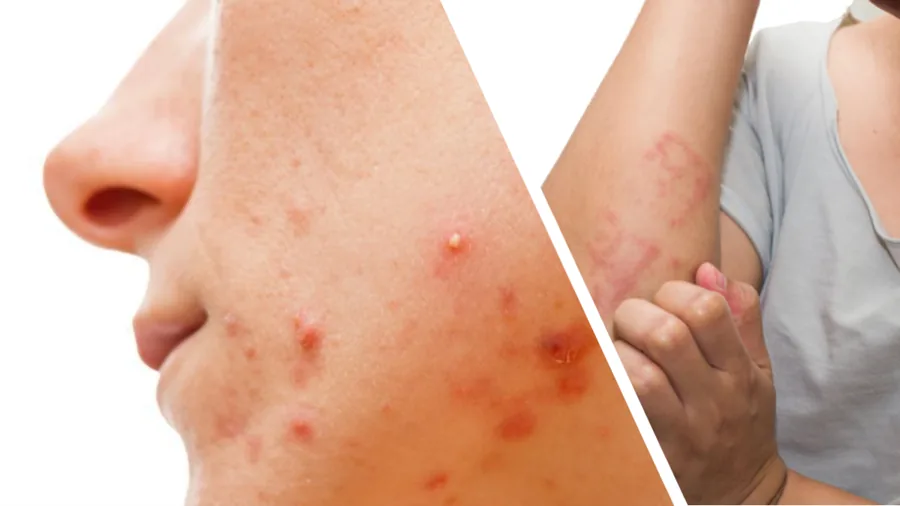
Eczema & skin conditions
Persistent itchy or inflamed skin, for which herbs are traditionally used to clear heat and nourish the skin.
Learn more →
Acne
Recurring breakouts, often linked in TCM to heat and hormonal patterns.
Learn more →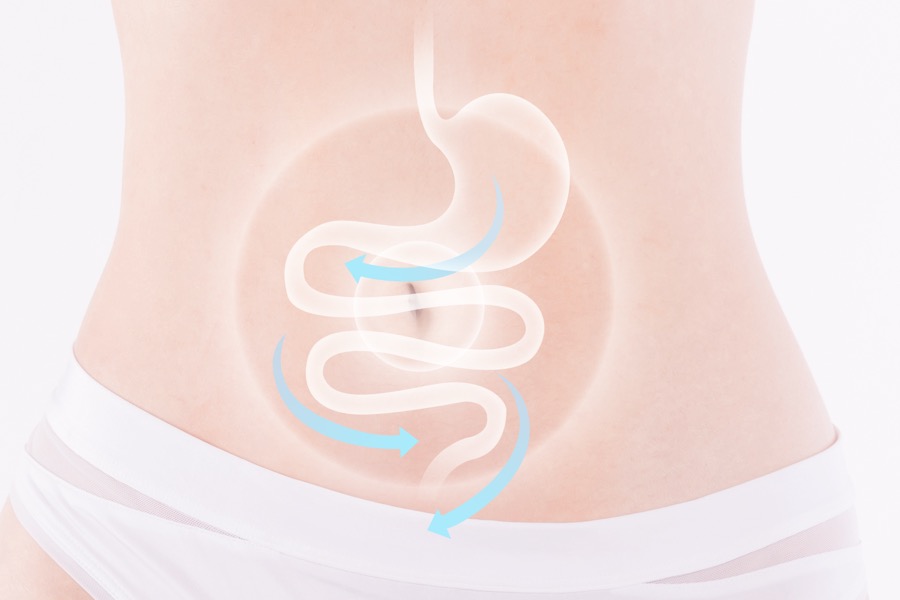
Digestive problems & IBS
Bloating, discomfort and irregular bowel habits.
Learn more →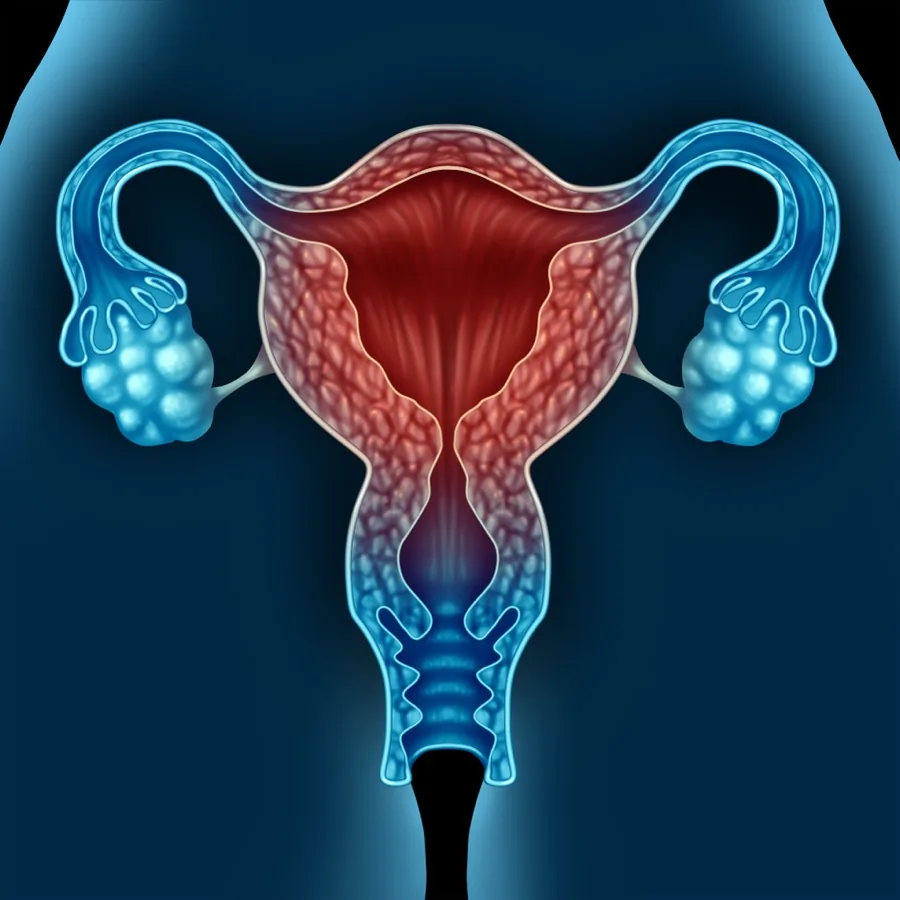
Painful or irregular periods
Herbs are widely used in TCM to support a regular, comfortable cycle.
Learn more →
Fertility support
Many patients choose herbs to support natural conception, often alongside acupuncture.
Learn more →
Menopausal symptoms
Hot flushes, night sweats and disturbed sleep.
Learn more →
Poor sleep
Difficulty falling or staying asleep.
Learn more →
Fatigue & low energy
Ongoing tiredness that TCM links to deficient Qi or Blood.
Learn more →Your practitioner will assess whether raw herbs are right for you at your consultation. Herbs are not a substitute for seeing your GP about new or worsening symptoms.
Frequently asked questions
Why choose raw herbs instead of granules or pills?
Why can’t I use an iron or aluminium pot?
What if I forget to add a herb first or last?
How should I store the herbs and the decoction?
Do raw herbs taste unpleasant?
Can I buy raw herbs myself and make them at home?
Are raw herbs safe with my other medicines?
Still have a question? Ask our practitioners.
What our patients say on Google
I had acupuncture and cupping with Emma, and she truly worked wonders on my back and neck. I came in barely able to turn my head, and now I feel so much better relaxed, pain-free, and mobile again. I’d had a bad experience elsewhere before, but Emma completely turned things around. Highly recommend!
I am very satisfied with the herbal remedies for perimenopause. I don't have hot flashes after the medication. And electric acupuncture soothes my plantar fascists on both feet. The capsules for bowel movement are working very well.
The staff specially Yao meng did an excellent job. In addition she is very kind and explain to the patients what to expect. Thank you very much.
I highly recommend Acupro. They are very professional and take the time to tailor your treatment for you.
More herbal medicine treatments
Ready to try Raw Herbs?
Not sure what to book? Just choose the initial treatment closest to your concern: Women's Health, Pain, Skin Condition or General Wellness. Your practitioner will recommend whether Raw Herbs treatment suits you during your consultation, so there's no need to decide now.
- Fully licensed practitioners
- Covered by private health insurance