
Case study · Practitioner's journal
A 19-Year-Old with Severe Mental and Physical Symptoms
A TCM perspective
Today, I'd like to share the case of a 19-year-old girl who came to see me with quite severe mental and physical symptoms.
Please note: hearing voices, feeling persecuted and big mood changes need urgent assessment by a psychiatrist or mental health team. Acupuncture should never replace psychiatric care. This patient had been prescribed olanzapine 10 mg by her psychiatrist, and our treatment was given alongside her medical care.
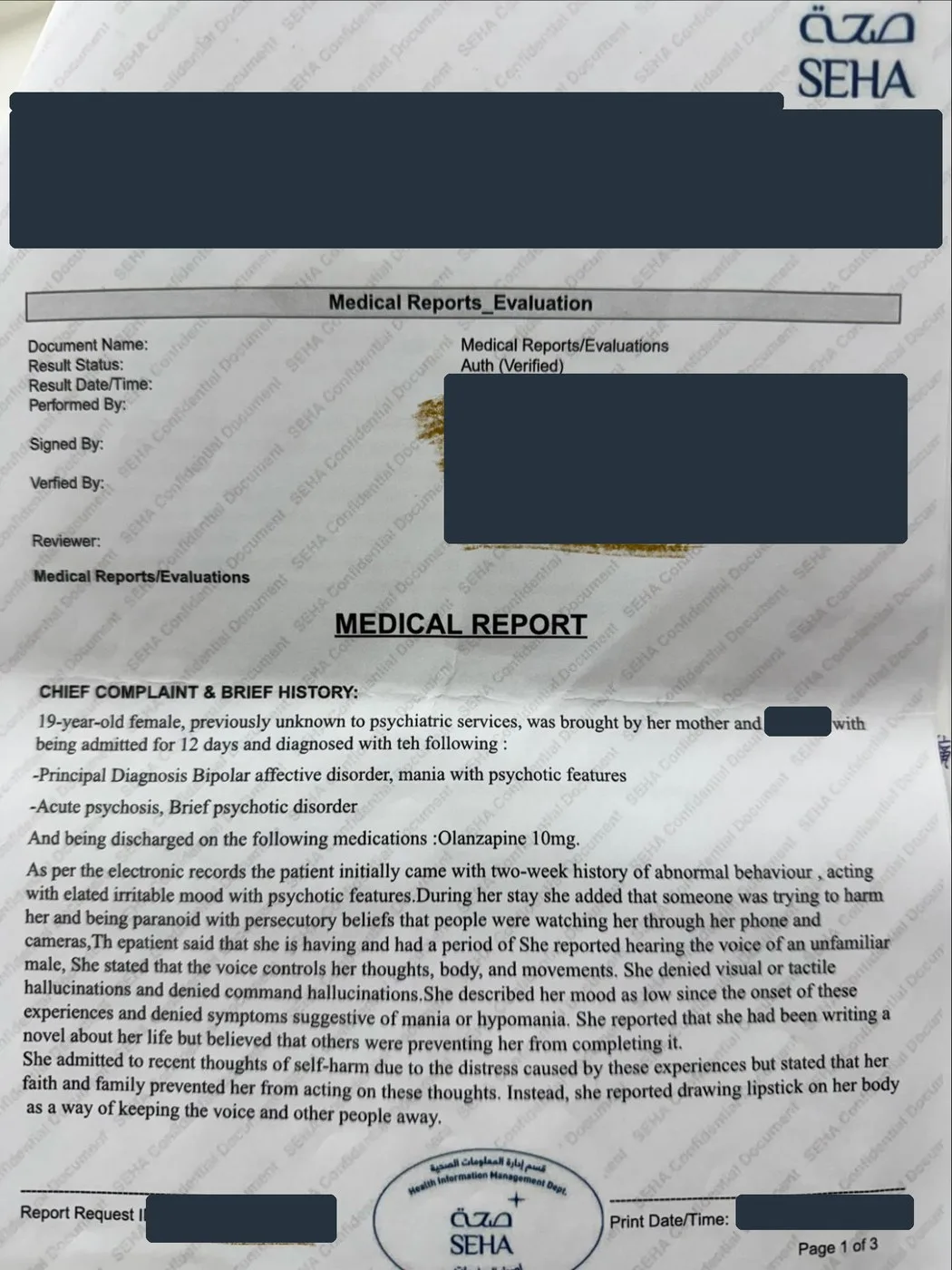
How she presented
She told me she constantly had racing thoughts and was extremely suspicious of the people around her. She often felt somebody was watching her or trying to harm her, and she heard a low-pitched male voice, almost like a whisper, that interfered with her thoughts.
Her emotions were very unstable: sometimes agitated, irritable and almost overexcited, at other times low, withdrawn and in tears. She struggled to fall asleep, had frequent nightmares and woke up exhausted.
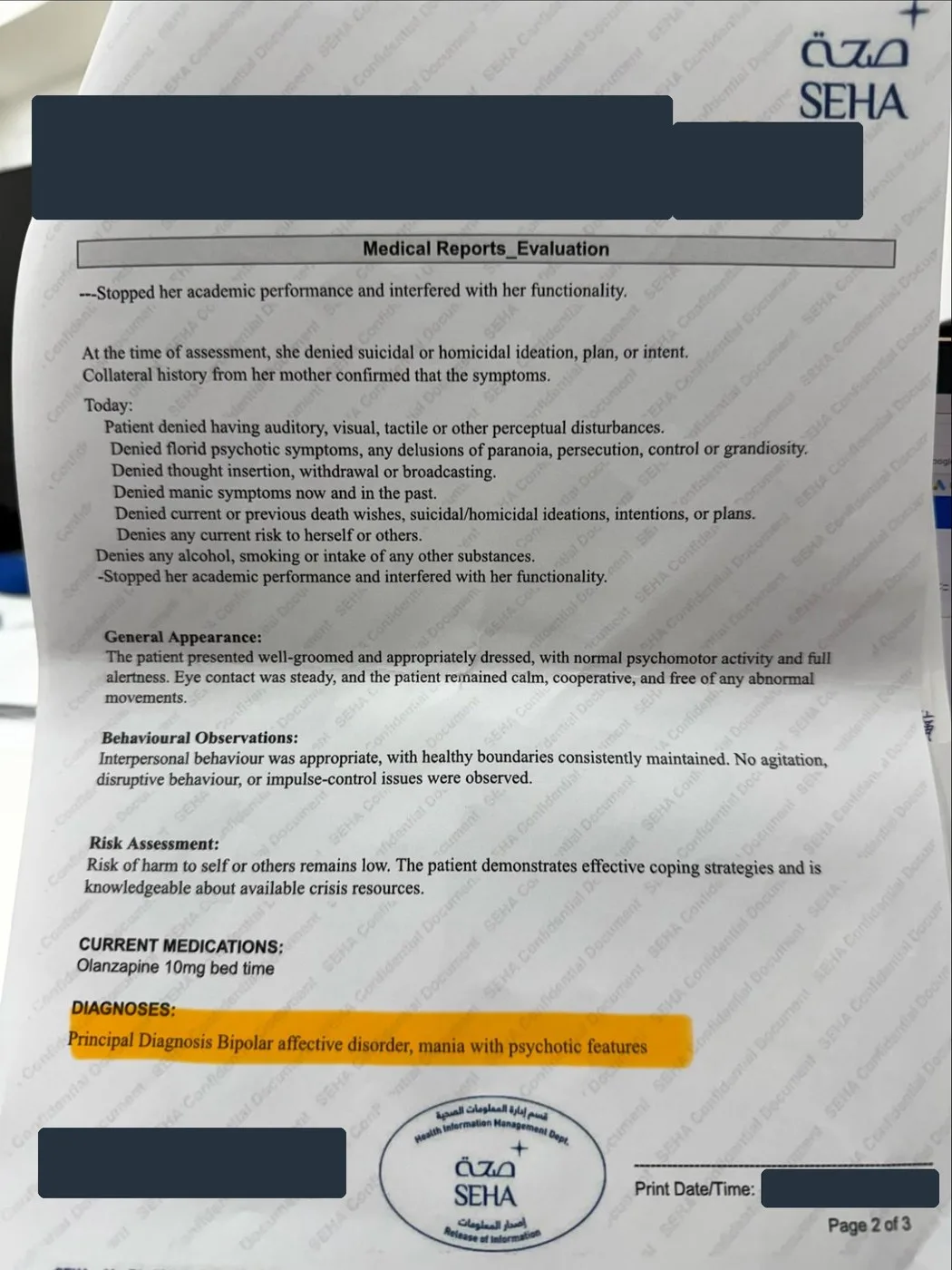
Before coming to us she had been admitted to hospital for 12 days. Her psychiatric report, shown here with personal details hidden, gives the principal diagnosis as bipolar affective disorder, mania with psychotic features, together with acute psychosis (brief psychotic disorder). She was discharged on olanzapine 10 mg at bedtime and remained under her psychiatrist's care.
What I found particularly interesting were the physical symptoms. Her palms were hot, her face and upper body warm and sometimes flushed, yet below the knees, especially her feet, she was extremely cold. Her appetite was poor, with bloating after small meals. Her bowels were irregular and difficult, she had burning when passing urine, she was drinking more than four litres of water a day, and she hadn't had a period for two months.
Looking at mind and body together
From a Western medical perspective, symptoms like these need urgent assessment by a psychiatrist, and she was under psychiatric care. From a TCM perspective, we also look at the relationship between the mind and the body: the Shen, or spirit, is closely connected with the body's overall condition.
What stood out to me was the contrast between the heat in her upper body and the coldness in her lower body.
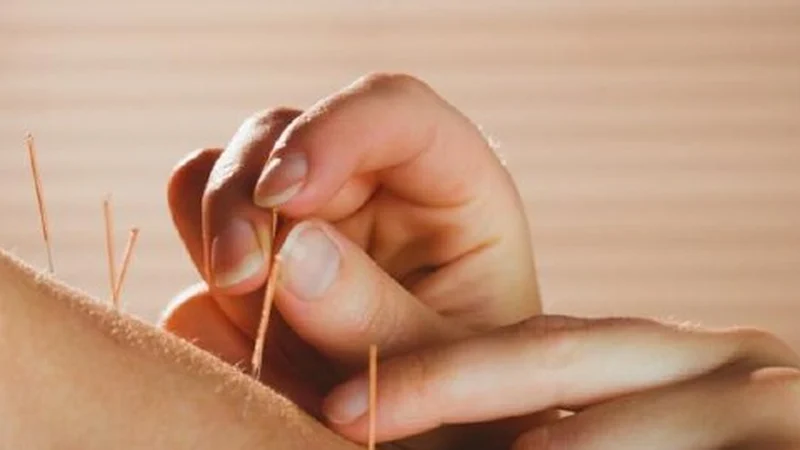
I encouraged her to relax, spend time outdoors, take gentle exercise and avoid isolating herself at home. We agreed to start acupuncture twice a week, to regulate the body's overall balance and circulation, alongside her medical care and monitoring.
A little less stressed
After her first acupuncture session she told me she felt a little less stressed. Her abdominal bloating had improved, and her stomach didn't feel as uncomfortable as before.
The other symptoms were still there: the heat, the thirst, poor sleep and cold feet. Her period hadn't returned.
Clearing the heat
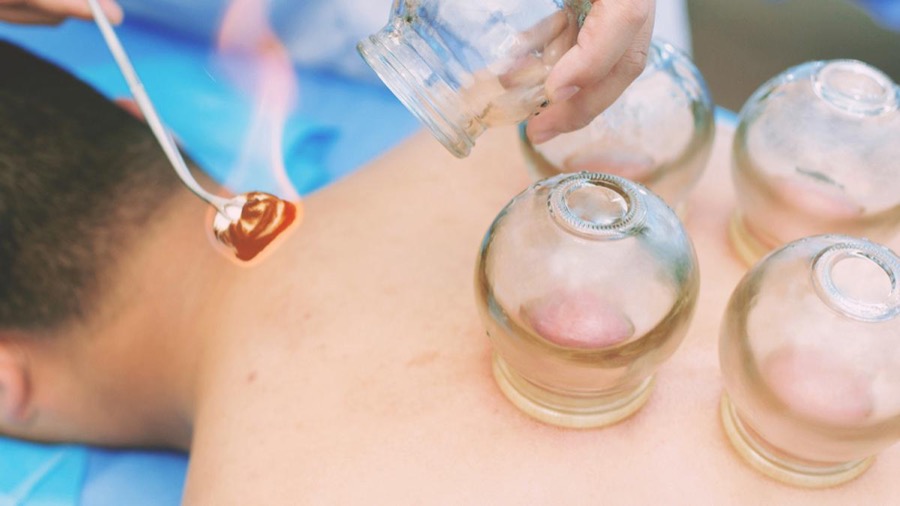
She was still complaining of feeling extremely hot and restless in her upper body. So I used a little superficial bloodletting around the Dazhui area (GV14), followed by extensive cupping along her back.
From a TCM perspective, this was intended to help clear the excess heat pattern I had identified in her upper body.
Sleep starts to improve
When she came back, the feeling of excessive heat was not as intense. She felt more comfortable and, interestingly, her sleep had started to improve.
I always pay particular attention to sleep: when it begins to improve, it can be an encouraging sign that someone's overall condition is moving in a better direction.
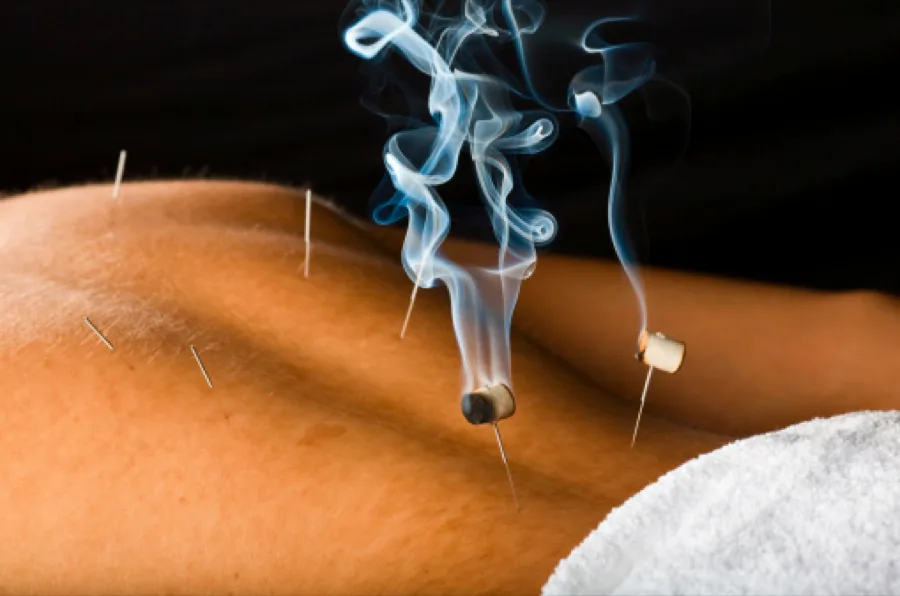
This time I focused on her lower body and the extreme coldness in her feet, using acupuncture and moxibustion around Sanyinjiao (SP6) and Yongquan (KI1) for warming stimulation.
Focusing on her cycle
In the fourth session we focused on her menstrual irregularity. I applied acupuncture around the lower back, particularly the Baliao points, as well as points on her lower abdomen.
The aim was to support her reproductive and menstrual health.
A significant change
When she came back, both she and her mother were very happy. After the fourth treatment she had skipped a week. Why? Because the following week her period had finally arrived, and they decided to take a little break.
I could see a noticeable difference in her. She was much happier, smiling more and more willing to talk, and she told me she felt physically much more comfortable. She also said she hadn't had the episodes of hearing the voice or the persecutory thoughts during that period.
Her remaining complaints were milder physical ones, such as some burning when passing urine and occasional bloating, which still needed medical assessment and follow-up.
How I understand her progress
From the start I looked at the overall pattern, upper-body heat, lower-body cold, digestive problems, menstrual irregularity and disturbed sleep, rather than treating each symptom separately. As treatment went on, her sleep improved, the heat became less intense, her lower body was addressed and eventually her cycle returned. From a TCM perspective, I read these as signs that her overall imbalance was improving.
However, we cannot conclude that the return of her period removed the heat, or that acupuncture caused the improvement in her mental symptoms. She remained under psychiatric care, and these changes need to be understood alongside her medical treatment and assessment.
Maintenance and follow-up
My recommendation is to gradually reduce the frequency rather than continue twice-weekly sessions indefinitely: once a week for now and, depending on her progress, eventually once every two weeks.
The purpose is to support her ongoing physical wellbeing and watch for any returning symptoms. Continued psychiatric follow-up is essential.
Closing thoughts
In Traditional Chinese Medicine we look at the person as a whole. We don't separate the mind from the body: mental wellbeing, sleep, digestion, circulation and reproductive health are all part of a person's overall condition. Sometimes, when we start addressing the physical symptoms, we may also see positive changes in a person's overall wellbeing.
That's why I believe an integrated approach, combining appropriate conventional medical care with individualised TCM treatment, can be valuable for some patients. Every patient is different, and every treatment plan needs to be individualised.
Results vary from person to person. Patient details are anonymised and shared with consent. Photos are illustrative, not of this patient.
Looking for whole-person care?
Every treatment starts with a full TCM assessment, and we work alongside your GP or specialist, never instead of them.