
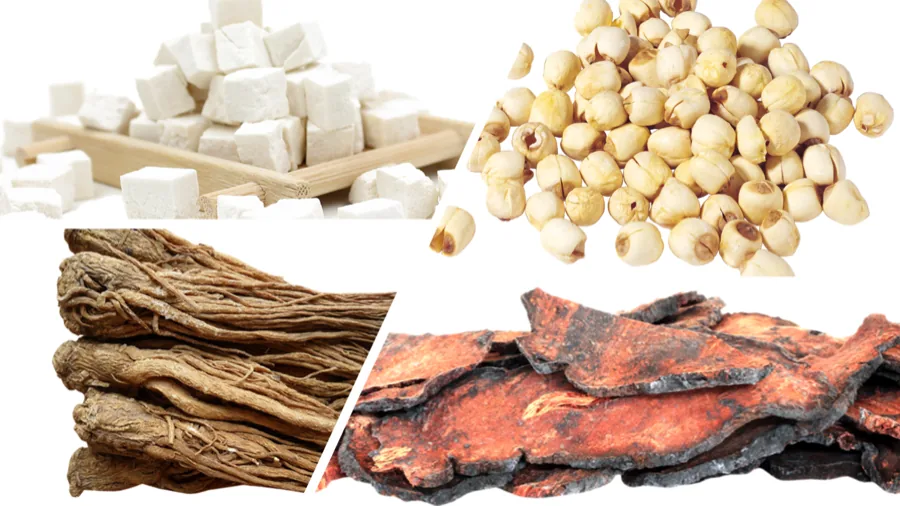
Customised Herbal Prescription
A herbal formula built for you alone, and for this moment in your health: after a full consultation, your practitioner chooses and balances each herb to match your pattern, then reviews and adjusts the prescription at every visit as your body changes.
Book an appointment →Understanding Customised Herbal Prescription
-
Tailor-made, not ready-made

Pulse reading is part of the TCM consultation that shapes your prescription How Is a Customised Prescription Different?
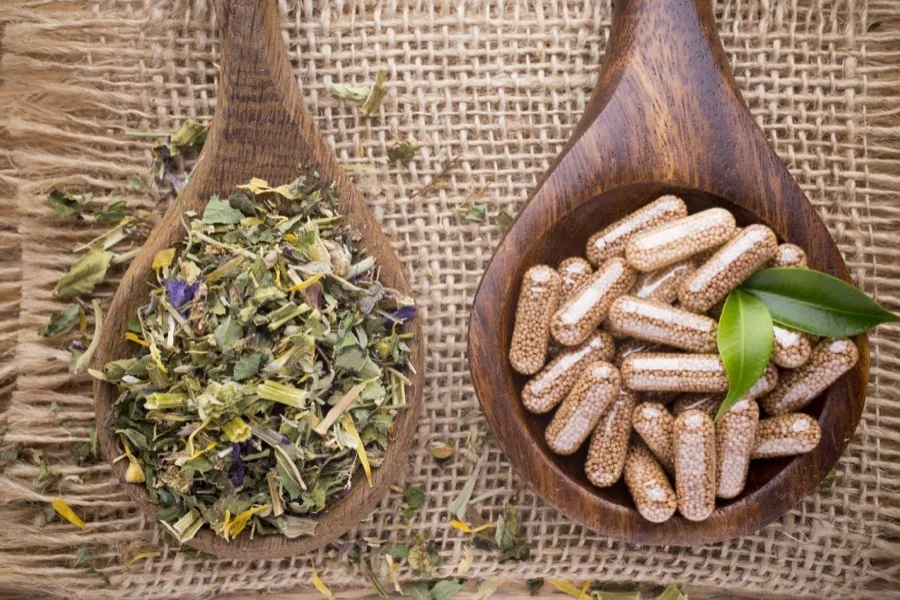
Ready-made herbal products, such as herbal pills, capsules and supplements, follow a fixed recipe: every bottle is the same, designed for a common pattern. They are useful for straightforward, well-defined problems.
A customised prescription is different. Your practitioner builds the formula from individual herbs, a process called zu fang (组方), deciding which herbs to use, how much of each, and how they balance one another, based on what they find in your consultation. Two people who both sleep badly may go home with very different formulas, because the reasons behind their poor sleep are different.
Ready-madea fixed recipe, the same in every bottleCustomisedherbs and doses chosen for your patternSame symptomcan mean a different formula for a different personChanges with youre-written as your health changesFigure 1. Ready-made products compared with a customised prescription.
-
How a formula is built
Monarch, Minister, Assistant and Envoy
Herbs are rarely given on their own. Since the Huangdi Neijing (Yellow Emperor’s Inner Classic), Chinese medicine has described a formula as a team in which each herb has a role, known as jun, chen, zuo, shi (君臣佐使):
Monarch (jun)the lead herb, aimed at your main pattern, usually the largest doseMinister (chen)strengthens the monarch or deals with a second patternAssistant (zuo)eases accompanying symptoms and tempers any harshness in the main herbsEnvoy (shi)harmonises the formula and guides it to where it is neededFigure 2. The four classical roles of herbs within a Chinese herbal formula.
A classic example is Gui Zhi Tang (Cinnamon Twig Decoction) from Zhang Zhongjing’s Shanghan Lun (c. 200 CE): cinnamon twig is the monarch, white peony root the minister, fresh ginger and Chinese dates the assistants, and honey-fried liquorice the envoy. Your practitioner often starts from a classical formula like this, then adds, removes and re-weighs herbs (jia jian, 加减) so that it fits you rather than a textbook case.
-
Tailored to the moment
Why Your Formula Changes from Visit to Visit
A customised prescription is tailored not only to you, but to you now. As treatment works, your pattern shifts, and the formula follows it. At every follow-up your practitioner reassesses you and re-writes the prescription.
For example, someone may come in feeling exhausted, sleeping badly and bloated after meals. Their first formula might focus on strengthening digestion and settling the mind. A month later, their energy and digestion have improved, but their period is approaching and they are getting cramps, so the lead herb and much of the formula may change. The prescription on your first visit and the one a month later can look quite different, and that is a sign the treatment is keeping pace with you.
Every visit
a fresh prescriptionReassessHow you have felt, plus your tongue and pulse today.AdjustHerbs are added, removed or re-weighed as your pattern changes.DispenseA new formula for the next stage, in the form that suits you.Figure 3. How your prescription is reviewed and adjusted over time.
-
Modern Scientific Perspective
What Does Research Say?
Each herb contains many naturally occurring compounds, so a multi-herb formula acts on the body in a more complex way than a single-ingredient drug, and how individual formulas work is still only partly understood.
The clinical evidence is mixed and varies by condition. In a randomised controlled trial in JAMA, both standard and individually tailored Chinese herbal formulas improved irritable bowel syndrome symptoms compared with placebo for some patients; tailored formulas were no more effective during treatment, but only the tailored group kept its improvement at follow-up[1]. A systematic review found that granules and traditional decoctions performed similarly in most trials, although the trials were generally of low quality[2].
Herbs are not risk-free. Most adverse effects reported for herbal medicines are mild, but serious reactions can occur[3], and some herbs interact with prescribed drugs such as warfarin[4]. This is why we prescribe only after a full consultation, use reputable suppliers, and ask you to tell both us and your GP about every medicine and supplement you take.
References
- Bensoussan A, Talley NJ, Hing M, Menzies R, Guo A, Ngu M. Treatment of irritable bowel syndrome with Chinese herbal medicine: a randomized controlled trial. JAMA. 1998;280(18):1585–1589. doi.org/10.1001/jama.280.18.1585
- Luo H, Li Q, Flower A, Lewith G, Liu J. Comparison of effectiveness and safety between granules and decoction of Chinese herbal medicine: a systematic review of randomized clinical trials. Journal of Ethnopharmacology. 2012;140(3):555–567. doi.org/10.1016/j.jep.2012.01.031
- Posadzki P, Watson L, Ernst E. Adverse effects of herbal medicines: an overview of systematic reviews. Clinical Medicine. 2013;13(1):7–12. doi.org/10.7861/clinmedicine.13-1-7
- Izzo AA, Ernst E. Interactions between herbal medicines and prescribed drugs: an updated systematic review. Drugs. 2009;69(13):1777–1798. doi.org/10.2165/11317010-000000000-00000
What you need to know
- 1Your consultation
A Full TCM Assessment
Your practitioner will ask detailed questions about your health, look at your tongue and feel your pulse. Bring any medical reports or test results if you have them, though they are not essential.
Please bring a list of all medicines, vitamins and supplements you take, and tell your practitioner if you are pregnant, trying to conceive, breastfeeding, taking blood thinners, or have liver or kidney problems.
- 2Your formula
Built for You, in the Form That Suits You
Your practitioner writes your formula and talks you through it. It can be dispensed as:
- Raw herbs: prepared herb slices that you simmer at home into a decoction. The most traditional and flexible form.
- Concentrated granules or powder: the same formula, already extracted and dried, which you simply dissolve in warm water. Ideal for busy lives, work and travel.
- 3Taking your herbs
Day to Day
- Follow the written instructions that come with your herbs. Granules are usually taken twice a day, dissolved in water at about 70–80°C and drunk warm.
- Raw herbs come with step-by-step decoction instructions.
- Raw food, cold drinks, spicy food and alcohol may slow your progress; cooked vegetables, meat, eggs and rice are good everyday choices.
- 4Every follow-up
Review and Adjust
- Follow-ups are usually every one to two weeks at first.
- Each time, your practitioner reassesses you and adjusts the formula for the stage you are at.
- Many patients notice changes after two to three weeks, although this varies from person to person.
- If you feel unwell, develop a rash or digestive upset, stop taking the herbs and contact us.
Keep your GP informed that you are taking Chinese herbal medicine, especially if you start any new medication.
Conditions herbal medicine is often used for
Chinese herbal medicine is commonly used for long-standing problems where TCM looks at the overall pattern of imbalance. These are some of the most common reasons our patients choose a customised prescription, often alongside acupuncture.
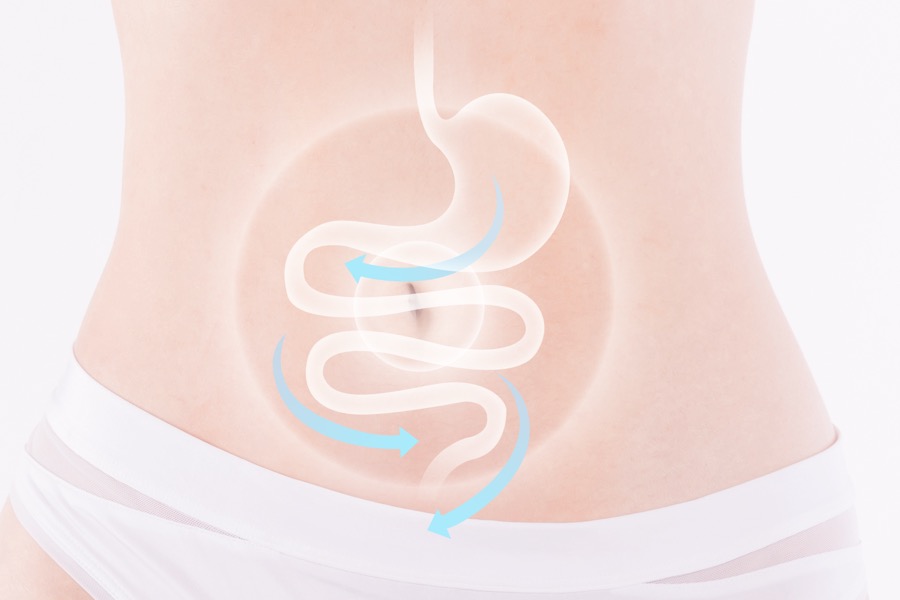
Digestive problems & IBS
Bloating, irregular bowel habits, indigestion or a poor appetite. Many patients choose herbs to support digestion.
Learn more →
Eczema & skin complaints
Dry, itchy or inflamed skin. Herbal formulas are traditionally used to “clear heat” and nourish the skin.
Learn more →
Acne
Recurring breakouts, often linked in TCM to heat and hormonal patterns.
Learn more →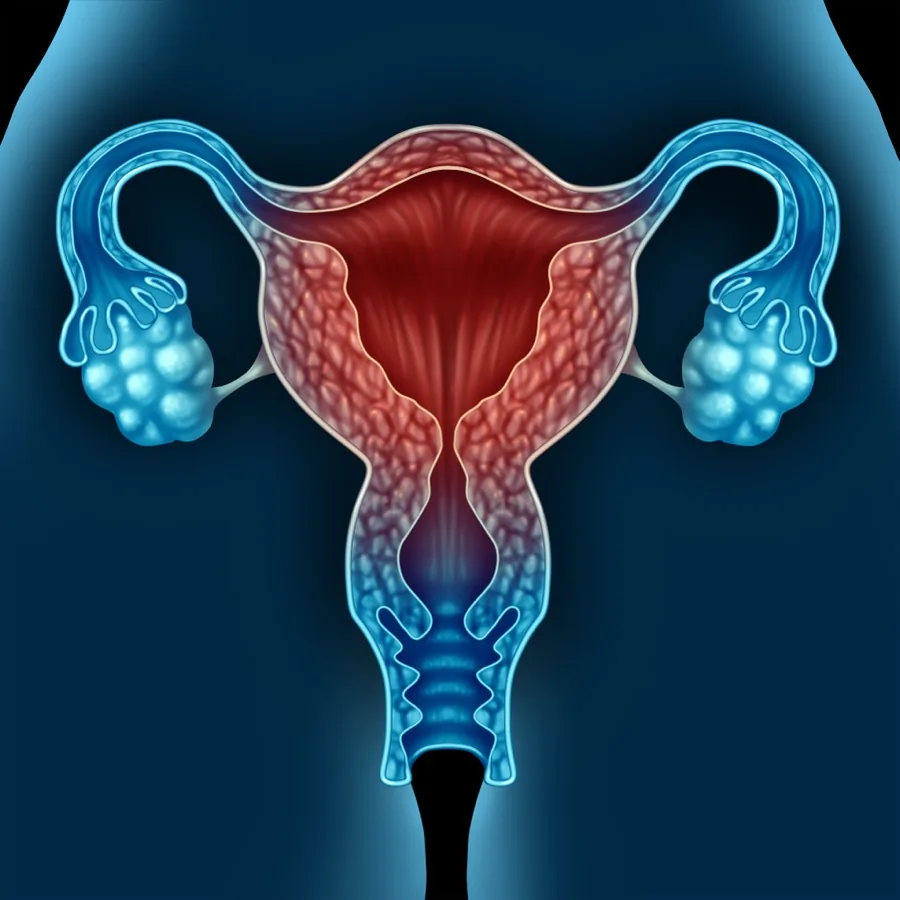
Irregular or painful periods
Cycle irregularity and period pain are among the most common reasons people try Chinese herbs.
Learn more →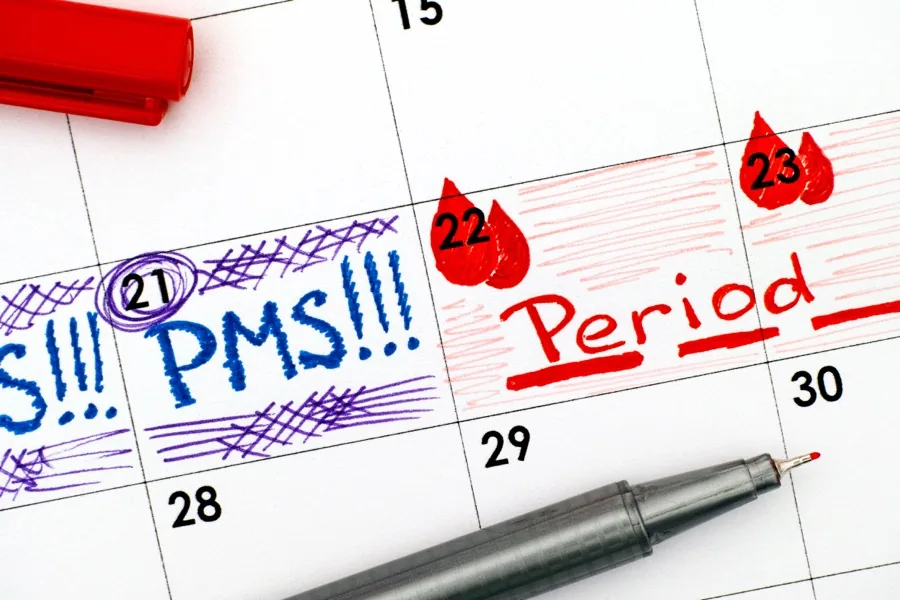
PMS
Bloating, breast tenderness, irritability and low mood before your period.
Learn more →
Menopausal symptoms
Hot flushes, night sweats and disturbed sleep around the menopause.
Learn more →
Poor sleep
Difficulty falling or staying asleep. Herbs may be used alongside good sleep habits.
Learn more →
Stress & low mood
Feeling tense, irritable or overwhelmed, which TCM often links to stagnant Liver Qi.
Learn more →
Fatigue & low energy
Long-term tiredness and slow recovery, which TCM links to deficient Qi.
Learn more →Your practitioner will assess whether herbal medicine is right for you at your consultation. Herbs are not a substitute for seeing your GP about new or worsening symptoms.
Frequently asked questions
Why not just take a ready-made herbal pill?
Why can’t I take the same herbs as someone with the same symptoms?
Why has my formula changed since my last visit?
What is the difference between granules and raw herbs?
How long will I need to take herbs?
Is Chinese herbal medicine safe, and will it interact with my medication?
How do I find a qualified herbalist?
Still have a question? Ask our practitioners.
What our patients say on Google
I had acupuncture and cupping with Emma, and she truly worked wonders on my back and neck. I came in barely able to turn my head, and now I feel so much better relaxed, pain-free, and mobile again. I’d had a bad experience elsewhere before, but Emma completely turned things around. Highly recommend!
I am very satisfied with the herbal remedies for perimenopause. I don't have hot flashes after the medication. And electric acupuncture soothes my plantar fascists on both feet. The capsules for bowel movement are working very well.
The staff specially Yao meng did an excellent job. In addition she is very kind and explain to the patients what to expect. Thank you very much.
I highly recommend Acupro. They are very professional and take the time to tailor your treatment for you.
More herbal medicine treatments

Ready to try Customised Herbal Prescription?
Not sure what to book? Just choose the initial treatment closest to your concern: Women's Health, Pain, Skin Condition or General Wellness. Your practitioner will recommend whether Customised Herbal Prescription treatment suits you during your consultation, so there's no need to decide now.
- Fully licensed practitioners
- Covered by private health insurance