
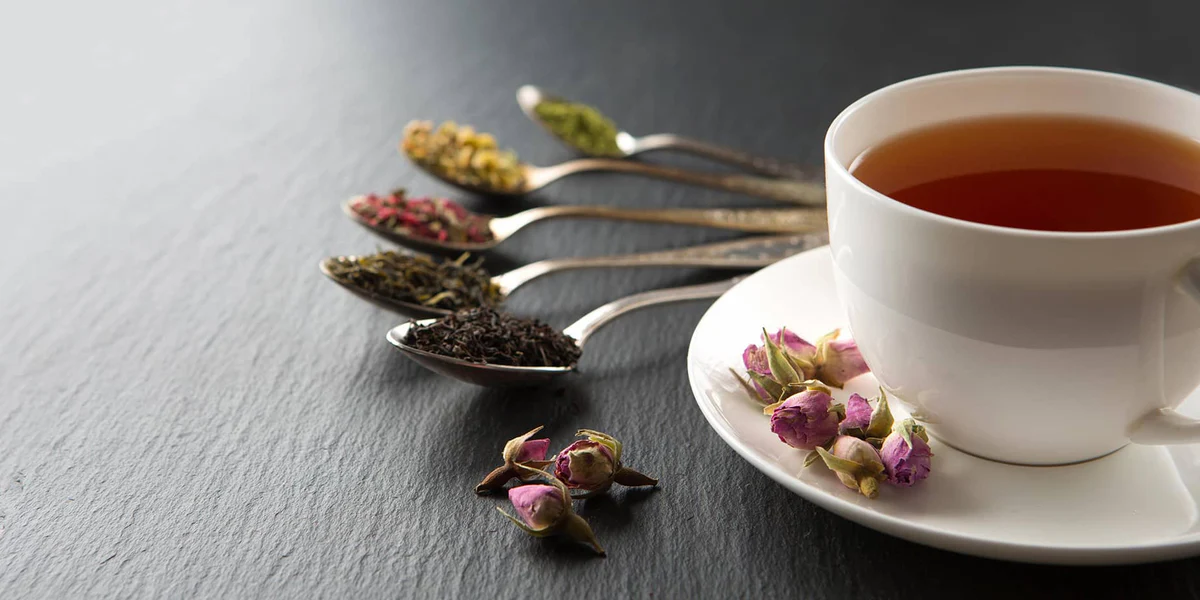
Herbal Tea
Gentle blends of Chinese herbs and flowers for everyday wellbeing, made as tea bags or loose in a cup. Each blend follows TCM principles and has a simple aim, such as soothing tired eyes, easing period discomfort or helping you unwind in the evening.
Book an appointment →Understanding Herbal Tea
-
Traditional Background
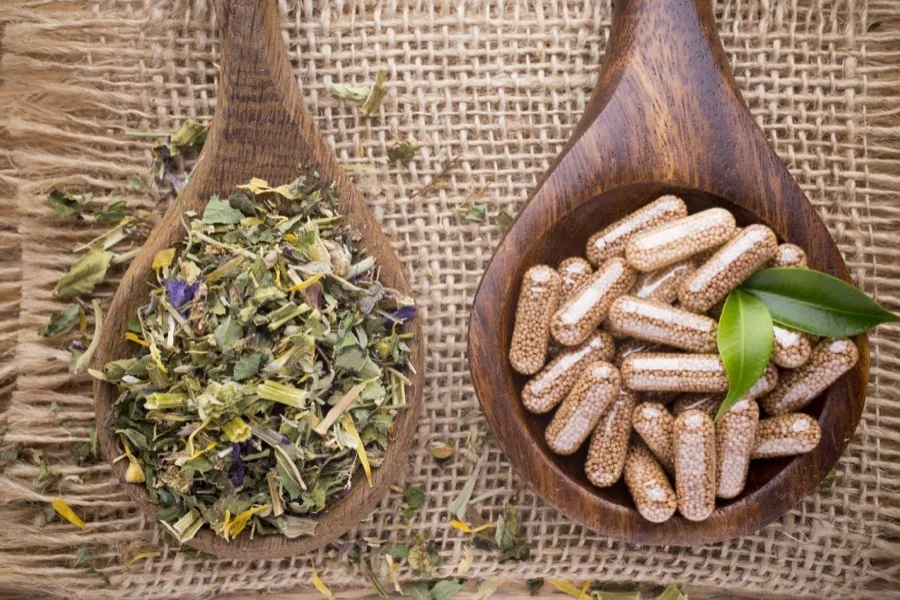
Dried flowers and herbs used in Chinese herbal tea blends Where Do Chinese Herbal Teas Come From?
Drinking herbs steeped in hot water is one of the oldest ways of using Chinese medicine. Alongside formal prescriptions, TCM has a long tradition of food and drink therapy, in which everyday ingredients such as chrysanthemum, goji berry, red dates and ginger are chosen for their nature and flavour to support health from day to day[1].
Unlike ordinary teas, our herbal teas are blends chosen according to TCM principles of warming and cooling, and of balancing Qi and Blood. Each one has a particular aim, and your practitioner can help you choose the blend that suits your constitution. They come as convenient tea bags or as loose herbs to brew in a cup or teapot.
Brightenstired eyes after long screen daysWarmsand dispels cold, for example around your periodSettlesdigestion after rich mealsCalmsthe mind and supports restFigure 1. Common traditional aims of Chinese herbal tea blends in TCM theory.
-
Blends for eyes & circulation
Goji & Chrysanthemum, Cassia Seed, and a Blood-Pressure Support Blend
Goji & Chrysanthemum (枸杞菊花茶)
- Ingredients: chrysanthemum flowers (Ju Hua) and goji berries (Gou Qi Zi).
- In TCM: chrysanthemum clears heat and “brightens the eyes”, while goji nourishes the Liver and Kidneys. A classic pairing for the eyes.
- May suit: long hours at a screen, tired, dry or strained eyes, and feeling hot or irritable.
- How to brew: put 5–6 flowers and a small handful of goji berries (or one tea bag) in a cup, add 250–300 ml of just-boiled water, cover and leave for 5–10 minutes. Top up with hot water two or three times, and eat the goji berries at the end.
- Good to know: chrysanthemum is cooling, so drink less if you often feel cold or have loose stools. Avoid it if you are allergic to daisy-family plants.
Cassia Seed Tea (决明子茶)
- Ingredients: roasted cassia seeds (Jue Ming Zi).
- In TCM: clears Liver heat, brightens the eyes and moistens the bowels.
- May suit: red, sore or tired eyes, a tendency to headaches from eye strain, and a tendency to constipation.
- How to brew: lightly crush about a teaspoon of roasted seeds (or use one tea bag), pour on just-boiled water and steep for 10 minutes, or simmer for 5 minutes. It has a pleasant, nutty, coffee-like taste.
- Good to know: it is mildly laxative, so it is not suitable if you have loose stools or diarrhoea, or during pregnancy. Ask your practitioner before drinking it every day for a long time.
Chrysanthemum, Cassia Seed & Hawthorn (菊花决明子山楂茶)
- Ingredients: chrysanthemum, roasted cassia seed and dried hawthorn fruit (Shan Zha).
- In TCM: calms rising Liver Yang and clears heat, while hawthorn moves the Blood and helps the digestion of rich, fatty food.
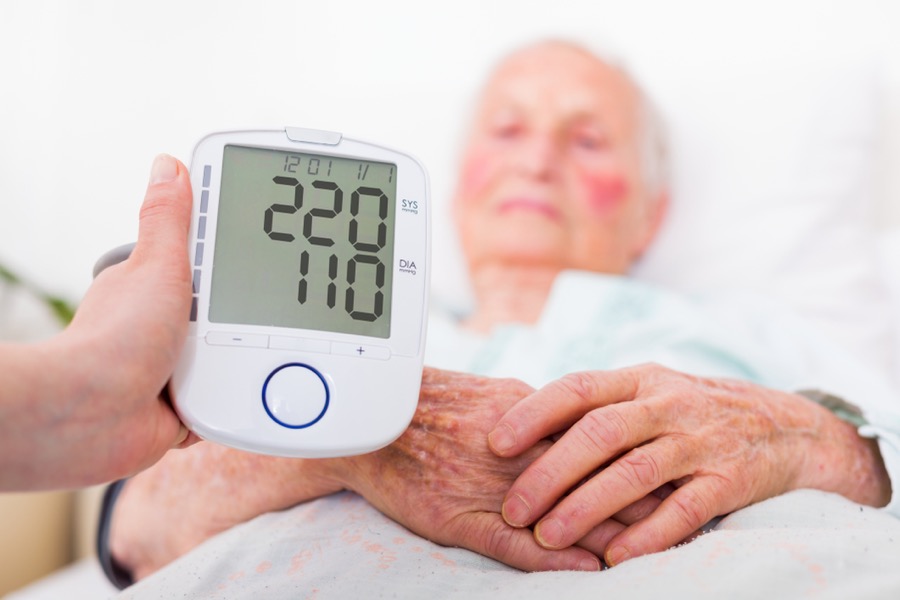
- May suit: people who are working on their blood pressure through a healthy lifestyle, especially if they tend to feel flushed, tense or get headaches.
- How to brew: steep a tea bag, or a small pinch of each herb, in just-boiled water for 10 minutes. One or two cups a day.
- Good to know: this tea does not replace blood-pressure medication. Keep taking your prescribed medicines, keep monitoring your blood pressure and tell your GP. Hawthorn may interact with some heart and blood-pressure medicines, so check with your practitioner first. Its sour taste may not suit you if you have acid reflux.
-
Blends for warmth & calm
Ginger & Red Date for Periods, and a Calming Evening Blend
Brown Sugar, Ginger & Red Date (红糖姜枣茶)
- Ingredients: fresh ginger, red dates (Da Zao) and brown sugar.
- In TCM: warms the womb, dispels cold and nourishes the Blood.
- May suit: period pain that feels better with a hot-water bottle, cold hands and feet, and feeling pale and tired around your period.
- How to brew: simmer 3–5 slices of fresh ginger and 3–5 split red dates in about 500 ml of water for 10–15 minutes, then stir in a little brown sugar. Drink warm for a few days before and during your period.
- Good to know: it is warming, so it is not suitable if you have a fever, a sore throat or very heavy periods with signs of heat. It contains sugar, so take care if you have diabetes, and check with your practitioner if you take blood thinners.
Calming Evening Blend (百合桂圆红枣茶)
- Ingredients: lily bulb (Bai He), longan fruit (Long Yan Rou) and red dates.
- In TCM: lily bulb calms the mind and gently clears heat, while longan and red dates nourish the Heart and Blood.
- May suit: a busy, overactive mind at bedtime, light sleep and feeling worn out by stress.
- How to brew: simmer the herbs for about 10 minutes, or steep a tea bag in just-boiled water for 10–15 minutes. Drink an hour or so before bed.
- Good to know: it is naturally caffeine-free. Longan is sweet and warming, so have less if you tend to feel hot or bloated.
-
Modern Scientific Perspective
How Do Herbal Teas Work?
When herbs are steeped in hot water, some of their water-soluble plant compounds, such as polyphenols and flavonoids, pass into the drink. A scoping review of herbal tea research found that many commonly used herbal teas contain such compounds and have been studied for a range of possible health benefits, while noting that most studies are small and more good-quality human trials are needed[2].
Herbs steeped
in hot water, 5–15 minutesExtractionHot water draws out water-soluble plant compounds and aromatic oils.Plant compoundsPolyphenols and flavonoids are among the compounds most often studied.Daily habitA regular, calming tea ritual can also support a healthy routine.Figure 2. How a herbal tea delivers its plant compounds[2].
Herbal teas are best seen as a gentle, everyday support for wellbeing rather than a treatment for illness. Even gentle herbs can interact with some medicines, so if you have a health condition or take regular medication, please speak to your practitioner or GP first.
References
- Wu Q, Liang X. Food therapy and medical diet therapy of Traditional Chinese Medicine. Clinical Nutrition Experimental. 2018;18:1–5. doi.org/10.1016/j.yclnex.2018.01.001
- Poswal FS, Russell G, Mackonochie M, MacLennan E, Adukwu EC, Rolfe V. Herbal teas and their health benefits: a scoping review. Plant Foods for Human Nutrition. 2019;74(3):266–276. doi.org/10.1007/s11130-019-00750-w
What you need to know
- 1Choosing a blend
Find the Right Tea for You
Your practitioner can recommend a blend based on your constitution, for example a cooling tea if you tend to run hot, or a warming one if you often feel cold. Please mention any medicines you take, and whether you are pregnant or breastfeeding.
- 2Brewing
Tea Bag or Loose
- Tea bag: one bag in 250–300 ml of just-boiled water, covered, for 5–10 minutes.
- Loose: brew in a lidded cup or teapot. Seeds, dates and roots release more if simmered for a few minutes.
- Most blends can be topped up with hot water two or three times during the day.
- 3Everyday use
Enjoy It Warm
- One or two cups a day is plenty for most people, ideally between meals.
- Drink it warm rather than iced.
- Change your blend with the seasons and with how you feel, and take a break now and then.
- Stop if you notice any digestive upset or other discomfort, and let your practitioner know.
Who herbal tea is for
Herbal tea is a simple way to bring TCM into everyday life. These are some of the reasons our patients choose a blend.
Tired eyes & screen fatigue
Goji & chrysanthemum or cassia seed tea for long days at a screen.
Blood pressure support
A chrysanthemum, cassia seed and hawthorn blend alongside, never instead of, your usual care.
Learn more →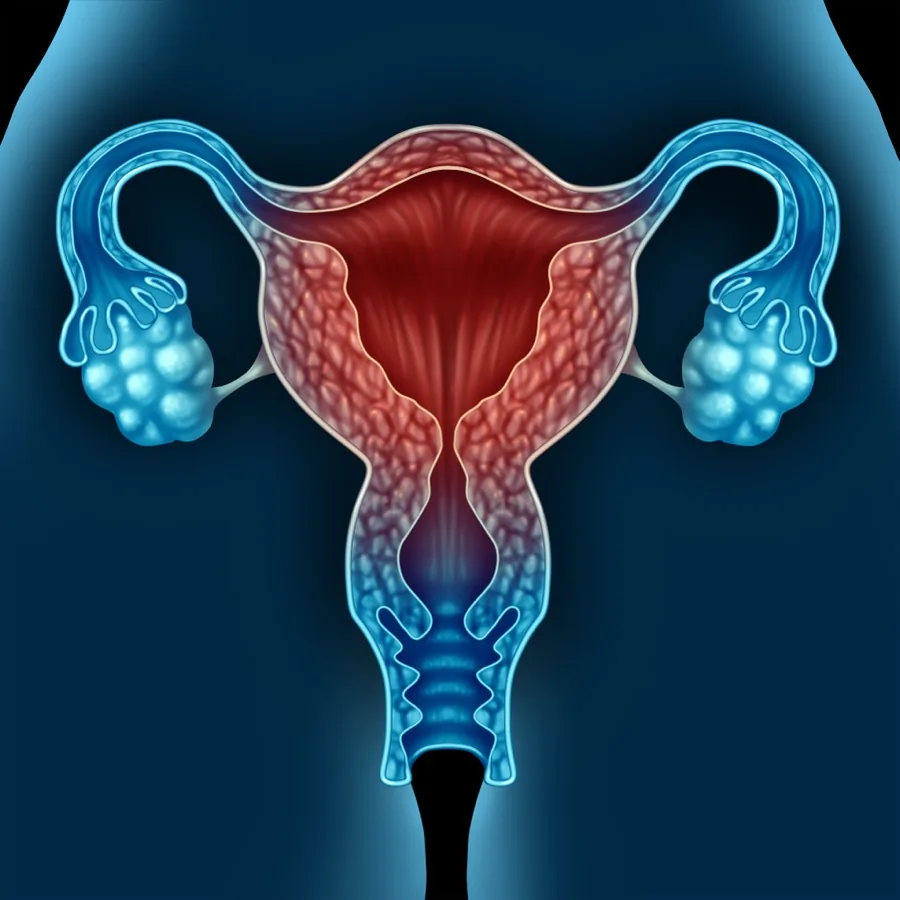
Period pain & feeling cold
Brown sugar, ginger and red date tea, the classic warming drink for period comfort.
Learn more →
Restful evenings
A caffeine-free calming blend as part of a relaxing bedtime routine.
Learn more →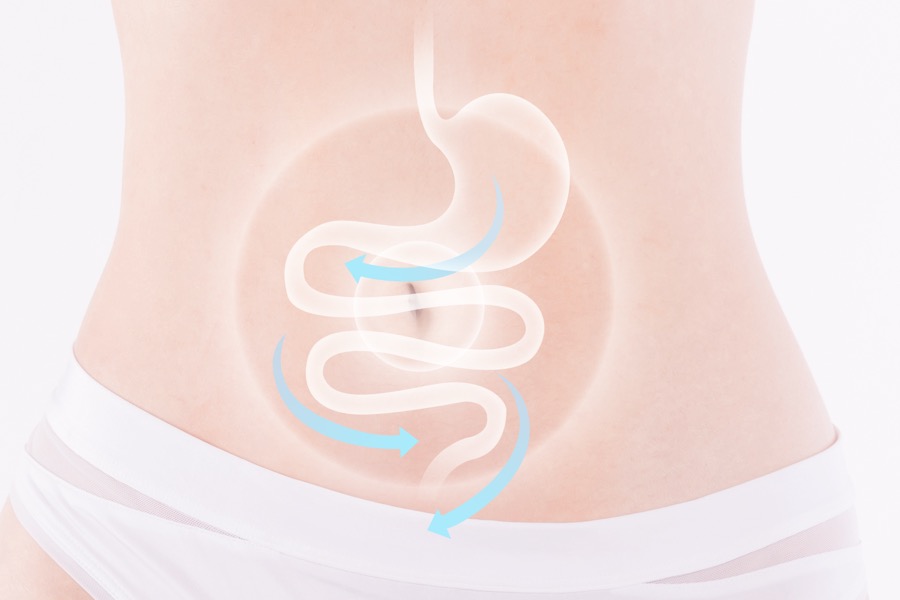
Digestion after rich meals
Hawthorn is traditionally used to help the digestion of rich, fatty food.
Learn more →
Everyday stress
A warm cup and a quiet moment to help you unwind at the end of a busy day.
Learn more →Your practitioner will help you choose the right blend at your consultation. Herbal teas are not a substitute for seeing your GP about new or worsening symptoms.
Frequently asked questions
What is the difference between the tea bags and loose herbs?
Can I drink herbal tea every day?
Can the blood-pressure blend replace my medication?
Do the teas contain caffeine?
Can I drink herbal tea during pregnancy?
Can I add sugar or honey?
Still have a question? Ask our practitioners.
What our patients say on Google
I had acupuncture and cupping with Emma, and she truly worked wonders on my back and neck. I came in barely able to turn my head, and now I feel so much better relaxed, pain-free, and mobile again. I’d had a bad experience elsewhere before, but Emma completely turned things around. Highly recommend!
I am very satisfied with the herbal remedies for perimenopause. I don't have hot flashes after the medication. And electric acupuncture soothes my plantar fascists on both feet. The capsules for bowel movement are working very well.
The staff specially Yao meng did an excellent job. In addition she is very kind and explain to the patients what to expect. Thank you very much.
I highly recommend Acupro. They are very professional and take the time to tailor your treatment for you.
More herbal medicine treatments
Ready to try Herbal Tea?
Not sure what to book? Just choose the initial treatment closest to your concern: Women's Health, Pain, Skin Condition or General Wellness. Your practitioner will recommend whether Herbal Tea treatment suits you during your consultation, so there's no need to decide now.
- Fully licensed practitioners
- Covered by private health insurance