
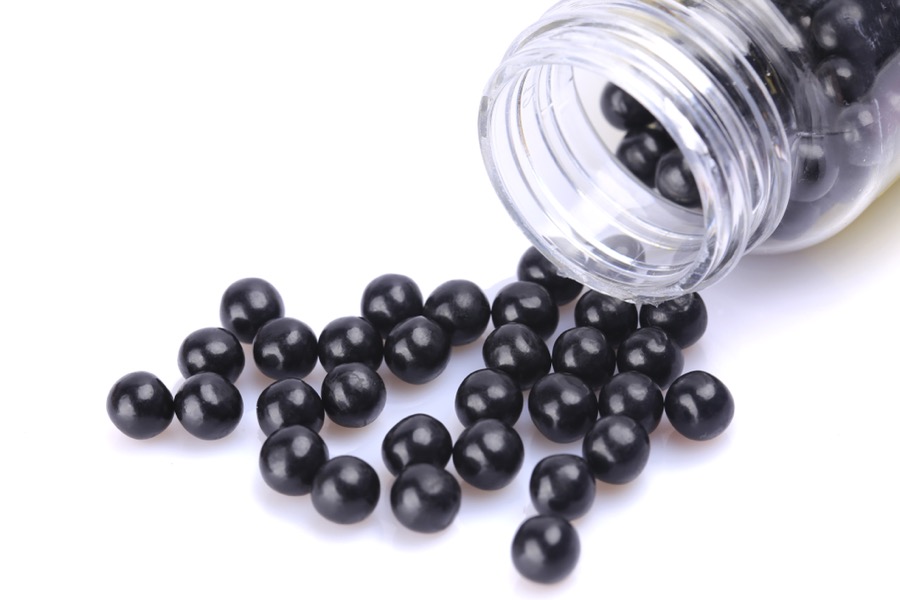
Herbal Supplement
Ready-made Chinese herbal supplements in the form of classic pills, oral liquids and tonic herbs, recommended by our practitioners after a consultation for everyday wellbeing or for straightforward, well-defined symptoms.
Book an appointment →Understanding Herbal Supplement
-
Traditional Background
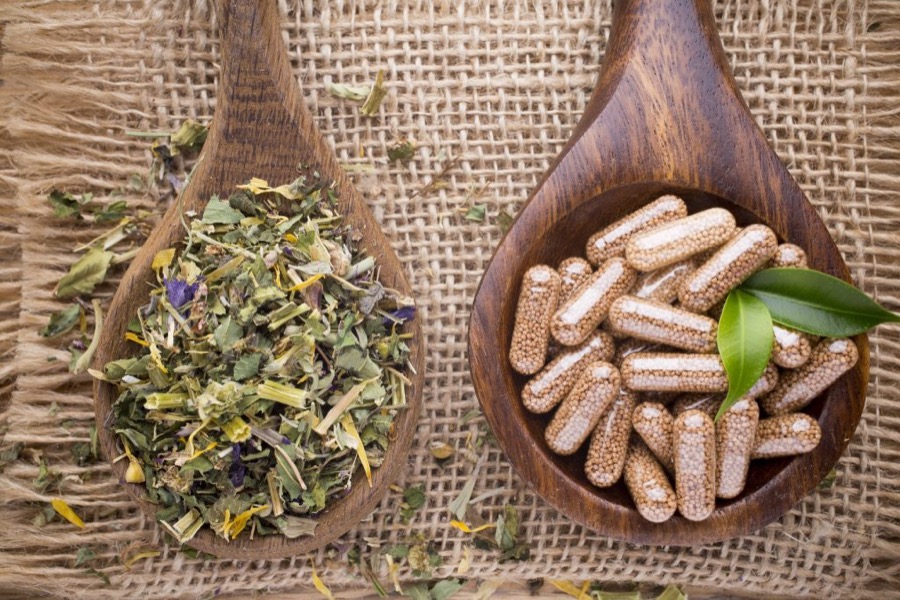
Dried herbs and herbal capsules Where Do Herbal Supplements Come From?
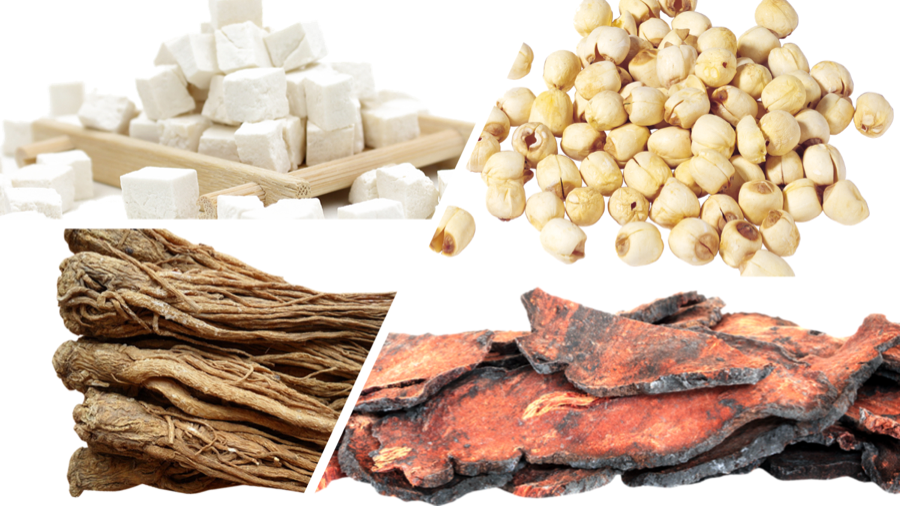
Chinese medicine has long held that food and medicine share the same origin (药食同源). Many tonic herbs, such as goji berries (Gou Qi), Chinese dates (Da Zao) and hawthorn fruit (Shan Zha), sit on the border between the two and have been taken for generations as part of yang sheng, the practice of nurturing health in daily life.
Alongside these, classical formulas have been made into ready-to-take patent medicines for centuries. Our clinic stocks pills such as Xiao Yao Wan (逍遥丸), Jia Wei Xiao Yao Wan (加味逍遥丸), Long Dan Xie Gan Wan (龙胆泻肝丸), Chai Hu Shu Gan San (柴胡疏肝散), Jian Pi Wan (健脾丸), Nuan Gong Yun Zi Wan (暖宫孕子丸), Suan Zao Ren Wan (酸枣仁丸), Liu Wei Di Huang Wan (六味地黄丸) and Zhi Bai Di Huang Wan (知柏地黄丸); oral liquids such as Ban Lan Gen Kou Fu Ye (板蓝根口服液), Ren Shen Feng Wang Jiang (人参蜂王浆) and Ling Zhi Ren Shen Kou Fu Ye (灵芝人参口服液); and tonic herbs including American ginseng (西洋参), red ginseng (红参), Da Zao (大枣), Gou Qi (枸杞) and Shan Zha (山楂).
Pillsclassic formulas for clear, everyday patterns; convenient with a long shelf lifeLiquidsready-to-drink oral liquids for daily useTonic herbstaken with hot water as a food supplementGuidancematched to you by a practitioner, not chosen at randomFigure 1. The three forms of herbal supplement available at our clinic.
-
Modern Scientific Perspective
How Do Herbal Supplements Work?
Herbal supplements contain many plant compounds, and some, such as the ginsenosides in ginseng, have been widely studied in the laboratory. Evidence from human trials, however, is often limited. A Cochrane review of ginseng, for example, found some suggestion of benefit but concluded that there is not yet convincing evidence that it improves cognition in healthy people[1]. We therefore describe these products as traditional supports for wellbeing rather than treatments.
Choosing a supplement
three things we checkQuality & sourcingThe safety of herbal products depends on how they are grown, processed and stored, so sourcing matters[2].InteractionsSome herbs, including ginseng, may interact with medicines such as warfarin[3].SuitabilityYour practitioner checks that the product fits your TCM pattern and your health history.Figure 2. Why we recommend supplements only after a consultation.
“Natural” does not automatically mean safe for everyone. Herbal products are not regulated in exactly the same way as medicines, and quality can vary between manufacturers[2]. Please always tell your practitioner and your GP about the supplements you take, particularly if you are pregnant, breastfeeding, taking prescribed medication or awaiting surgery.
References
- Geng J, Dong J, Ni H, Lee MS, Wu T, Jiang K, Wang G, Zhou AL, Malouf R. Ginseng for cognition. Cochrane Database of Systematic Reviews. 2010;(12):CD007769. doi.org/10.1002/14651858.CD007769.pub2
- Liu SH, Chuang WC, Lam W, Jiang Z, Cheng YC. Safety surveillance of traditional Chinese medicine: current and future. Drug Safety. 2015;38(2):117–128. doi.org/10.1007/s40264-014-0250-z
- Izzo AA, Ernst E. Interactions between herbal medicines and prescribed drugs: an updated systematic review. Drugs. 2009;69(13):1777–1798. doi.org/10.2165/11317010-000000000-00000
What you need to know
- 1Before you start
What to Prepare
A consultation with a qualified practitioner is needed before you start any herbal supplement, even one that is sold ready-made. Your practitioner will ask about your symptoms, lifestyle and medical history to choose the right product for you.
Please bring a list of all medicines, vitamins and supplements you take, and tell your practitioner if you are pregnant, breastfeeding, have high blood pressure, diabetes, or take blood thinners.
- 2While taking supplements
How to Take Them
- Pills and liquids come with dosing instructions from your practitioner; follow these rather than the general packet guidance.
- Tonic herbs such as goji berries or ginseng slices are usually steeped in hot water and drunk daily.
- Choose the form that suits your routine: pills are the most convenient and keep well, while liquids and tonic herbs suit people who prefer a drink.
- Do not exceed the recommended amount, and do not combine several herbal products without advice.
- 3Ongoing
Follow-up
- Many supplements are designed to be taken over a longer period; your practitioner will review how you are getting on.
- If your symptoms change, a different product or a customised prescription may suit you better.
- Stop and contact us if you feel unwell or notice any unusual reaction.
Let your GP know which supplements you are taking, especially before starting any new medication.
Who herbal supplements are for
Herbal supplements suit people with clear, everyday patterns or who want gentle, traditional support for general wellbeing. These are some of the most common reasons our patients ask about them.
Stress & tension
Formulas such as Xiao Yao Wan are traditionally used when stress, irritability and tension are linked to stagnant Liver Qi.
Learn more →
Poor sleep
Suan Zao Ren (sour jujube seed) is the herb most often used in Chinese medicine for restless sleep.
Learn more →
Weak digestion
Bloating, poor appetite or sluggish digestion, for which formulas such as Jian Pi Wan are often chosen.
Learn more →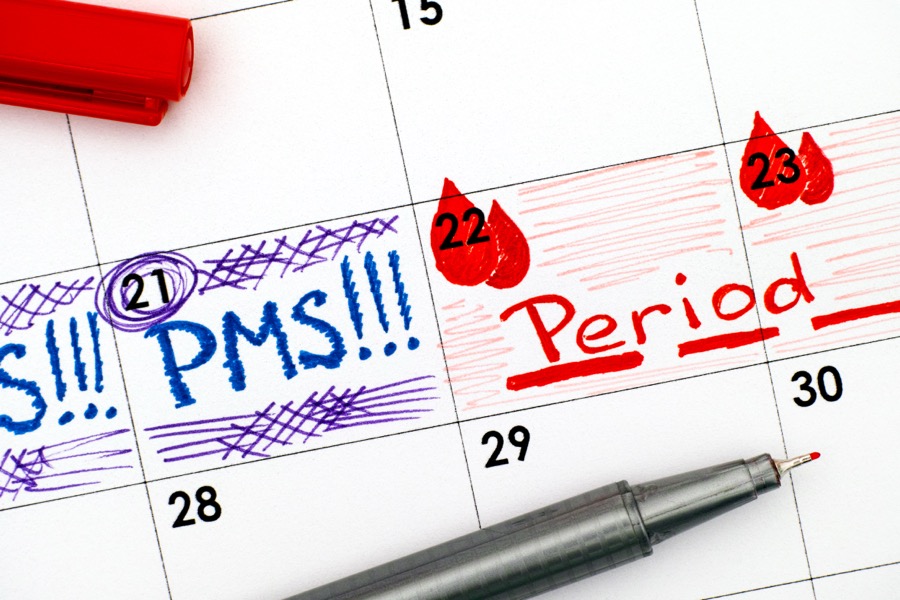
Menstrual & PMS symptoms
Premenstrual tension, breast tenderness and cycle-related discomfort.
Learn more →
Menopausal symptoms
Night sweats and feeling hot, which TCM may link to Yin deficiency patterns.
Learn more →
Fatigue & low energy
Tonic herbs such as ginseng are traditionally taken to support energy.
Learn more →
Seasonal wellbeing
Many patients choose oral liquids and tonic herbs as part of their routine through the colder months.
Learn more →
Fertility support
Formulas such as Nuan Gong Yun Zi Wan are traditionally used for “cold womb” patterns, usually alongside other care.
Learn more →Your practitioner will assess whether a herbal supplement is right for you at your consultation.
Frequently asked questions
Do I need a consultation to buy a herbal supplement?
What is the difference between a supplement and a customised prescription?
Which form should I choose: pills, liquids or tonic herbs?
Can I take herbal supplements long term?
Can I take supplements with my regular medication?
Still have a question? Ask our practitioners.
What our patients say on Google
I had acupuncture and cupping with Emma, and she truly worked wonders on my back and neck. I came in barely able to turn my head, and now I feel so much better relaxed, pain-free, and mobile again. I’d had a bad experience elsewhere before, but Emma completely turned things around. Highly recommend!
I am very satisfied with the herbal remedies for perimenopause. I don't have hot flashes after the medication. And electric acupuncture soothes my plantar fascists on both feet. The capsules for bowel movement are working very well.
The staff specially Yao meng did an excellent job. In addition she is very kind and explain to the patients what to expect. Thank you very much.
I highly recommend Acupro. They are very professional and take the time to tailor your treatment for you.
More herbal medicine treatments

Ready to try Herbal Supplement?
Not sure what to book? Just choose the initial treatment closest to your concern: Women's Health, Pain, Skin Condition or General Wellness. Your practitioner will recommend whether Herbal Supplement treatment suits you during your consultation, so there's no need to decide now.
- Fully licensed practitioners
- Covered by private health insurance