
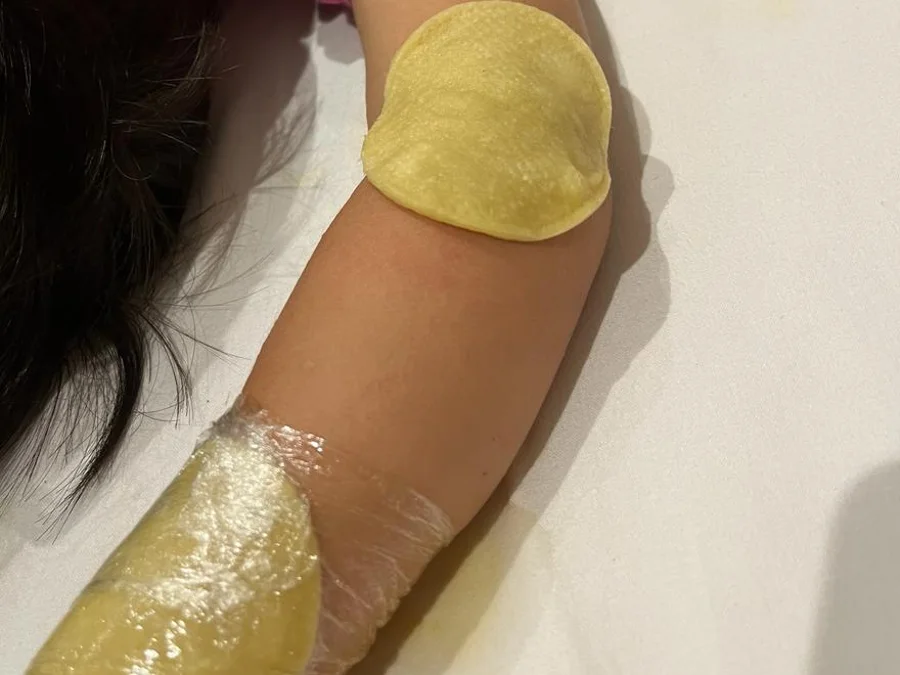
Herbal Wash & Compress
Chinese herbs used on the outside of the body: herbal washes and soaks for itchy, irritated skin such as eczema, and warm compresses or herbal pastes for aching joints and rheumatic pain, prescribed by your practitioner and used at home.
Book an appointment →Understanding Herbal Wash & Compress
-
Traditional Background
How Did External Herbal Treatments Develop?
External treatments (外治法, wai zhi fa) such as washes, soaks, steams, compresses and plasters have long been part of Chinese medicine, used alongside acupuncture and herbal prescriptions. The Qing-dynasty physician Wu Shiji, who wrote a whole book on them, summed up the idea: “the principle of external treatment is the same as that of internal treatment”. The herbs are chosen by the same diagnosis; they are simply applied to the skin instead of being swallowed.
Because they do not pass through the digestive system, external herbs are also an option for people who cannot or prefer not to take herbs by mouth.
Wash or soaka herbal liquid for washing or soaking the skinWet compressgauze soaked in the decoction, laid over the areaHerbal pastepowdered herbs spread on the skin and wrappedWarm foot soaka relaxing, warming soak at the end of the dayFigure 1. The main ways herbs are used externally in Chinese medicine.
-
For the skin
Herbal Washes and Soaks for Eczema and Itchy Skin
For skin conditions such as eczema, your practitioner may prescribe a wash made from herbs traditionally used to clear heat, dry dampness and relieve itching, such as sophora root (Ku Shen) and phellodendron bark (Huang Bai).
- The herbs are simmered, strained and left to cool. For hot, itchy skin the wash is used lukewarm or cool, as heat can make itching worse.
- You gently wash or soak the area for 15–20 minutes, or lay gauze soaked in the liquid over a patch of irritated skin as a wet dressing.
- Afterwards, pat the skin dry and apply your usual moisturiser straight away.
A herbal wash is often used alongside a customised herbal prescription taken by mouth, treating the skin from the outside and the inside.
-
For joints & muscles
Warm Compresses and Herbal Pastes for Joint Pain
In TCM, aching joints that feel worse in cold, damp weather are often described as bi (痹), a blockage of Qi and Blood by wind, cold and damp. External herbs that warm the area and move the circulation are a traditional way to ease this. There are two main methods:
Aching joint
two ways to apply herbsWet compressSoak gauze or a folded cotton cloth in the warm decoction, wring it out and lay it over the joint for 15–20 minutes, covered with a towel. Re-warm it as it cools.Herbal pasteMix the powdered herbs into a paste as instructed (for example with warm water, vinegar or honey), spread it on the joint, cover with cling film to keep it moist and secure with a bandage.How longA compress is used for 15–20 minutes; a paste is left on for the time your practitioner advises. Remove it straight away if it itches or burns.Figure 2. Warm compresses and herbal pastes for joint and rheumatic pain.
A red, hot, swollen joint, such as a gout flare, needs a different approach: please do not apply warming compresses to it without speaking to your practitioner or GP.
-
Modern Scientific Perspective
How Do External Herbs Work?
A herbal wash or compress combines warmth (or coolness), moisture and plant compounds. The skin is a strong protective barrier, and research on delivering substances through the skin shows that only some small, fat-soluble molecules pass through it in meaningful amounts[1]. So any herbal effect is likely to be mainly local and gentle.
Warmth itself relaxes muscles and increases blood flow to the skin, and a systematic review found that warm bathing in the evening was associated with falling asleep more quickly and better self-rated sleep[2]. Moist dressings are also used in conventional dermatology to calm severe eczema flares. Research on specific Chinese herbal washes and compresses is limited, so we see them as a soothing, supportive therapy rather than a cure.
References
- Prausnitz MR, Langer R. Transdermal drug delivery. Nature Biotechnology. 2008;26(11):1261–1268. doi.org/10.1038/nbt.1504
- Haghayegh S, Khoshnevis S, Smolensky MH, Diller KR, Castriotta RJ. Before-bedtime passive body heating by warm shower or bath to improve sleep: a systematic review and meta-analysis. Sleep Medicine Reviews. 2019;46:124–135. doi.org/10.1016/j.smrv.2019.04.008
What you need to know
- 1Your consultation
The Right Herbs and Method
Your practitioner will look at the affected skin or joint, ask about your health and decide whether a wash, compress or paste suits you, and which herbs to use. Please mention any allergies, skin sensitivities, diabetes or circulation problems, and whether you are pregnant.
- 2Preparing
Making Your Wash or Paste
- For a wash or compress, simmer the herbs in a ceramic, glass or stainless-steel pot (not iron or aluminium) for 20–30 minutes, then strain.
- Let the liquid cool to the right temperature: cool or lukewarm for itchy skin, comfortably warm for aching joints.
- For a paste, mix the herbal powder exactly as instructed until it is soft and spreadable.
- 3Using it
At Home
- Use a wash or compress for 15–20 minutes, once or twice a day, or as advised.
- Leave a paste on only for the time your practitioner recommends.
- Any leftover liquid can be kept covered in the fridge for a day and gently re-warmed.
- Some herbs can stain fabric yellow, so use an old towel.
- 4Safety first
Simple Precautions
- Patch test: try a little on a small area of skin first and wait a day.
- Broken skin: do not use on open, weeping or infected skin unless your practitioner has advised it.
- Temperature: test on your inner wrist first. It should feel warm, never hot. Take extra care if you have diabetes, poor circulation or reduced feeling in the area.
- For external use only. Keep away from the eyes.
- Stop if you notice redness, a rash, blistering or increased itching, and contact us.
Who herbal washes and compresses are for
External herbal treatments are a soothing way to care for a particular area of skin or a troublesome joint. These are some of the most common reasons our patients use them.
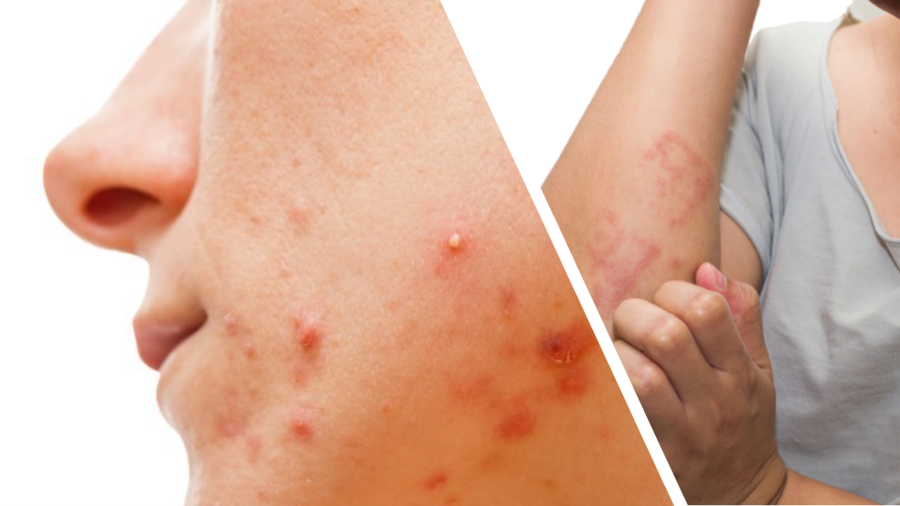
Eczema & itchy skin
Cool herbal washes and wet dressings to soothe dry, itchy or irritated skin.
Learn more →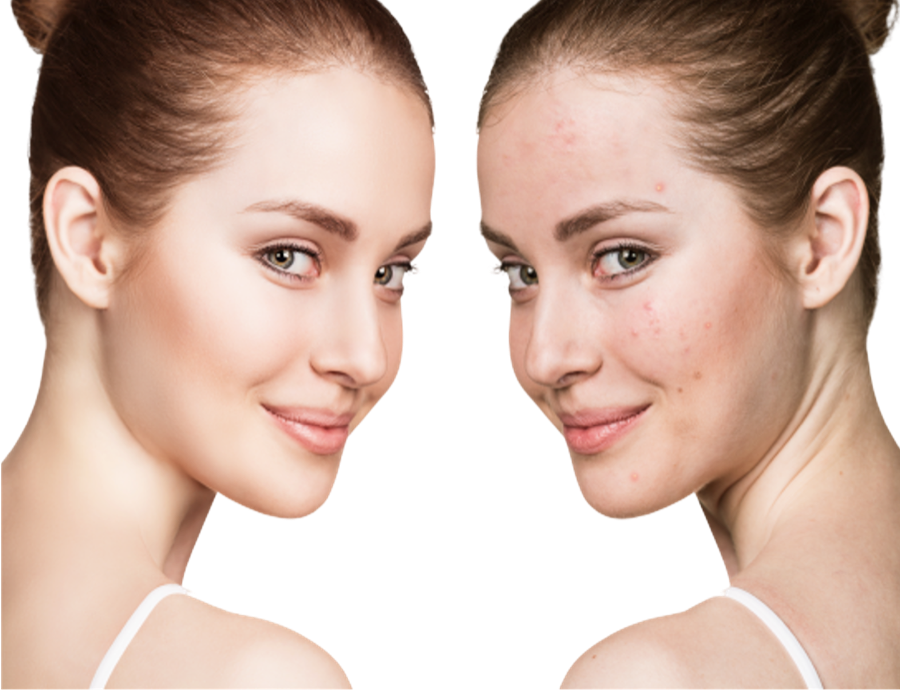
Acne-prone skin
Gentle herbal washes are sometimes used alongside herbs taken by mouth.
Learn more →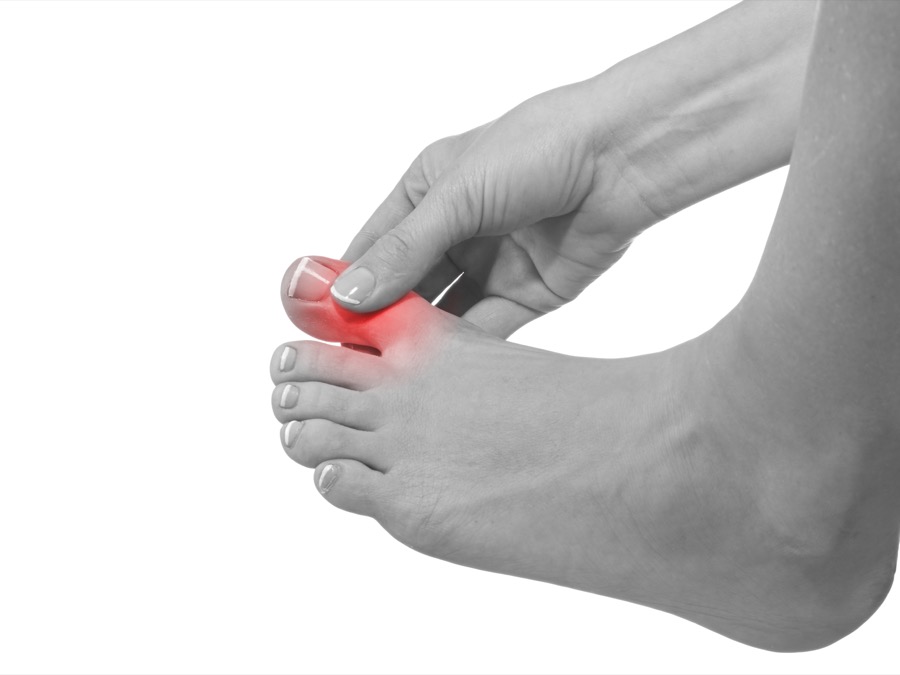
Arthritis & aching joints
Warm compresses and herbal pastes for stiff joints that feel worse in cold, damp weather.
Learn more →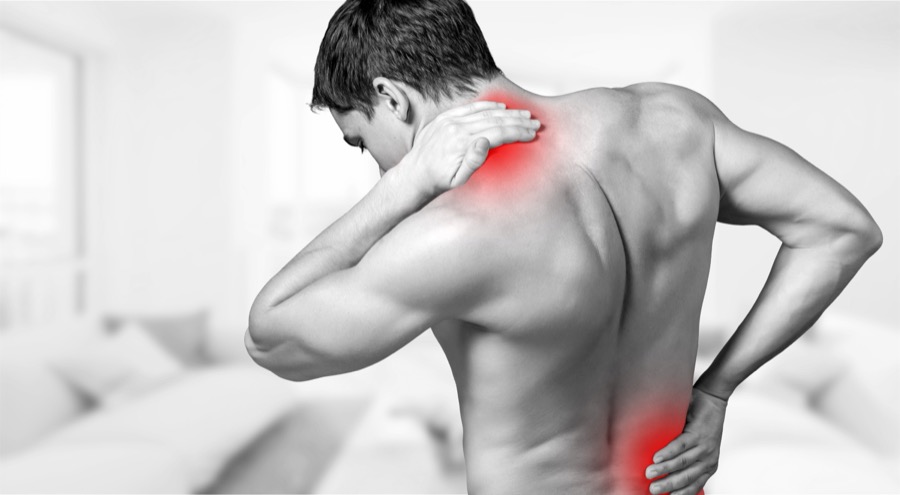
Back pain & stiffness
Warmth and herbs to help tight, aching muscles relax.
Learn more →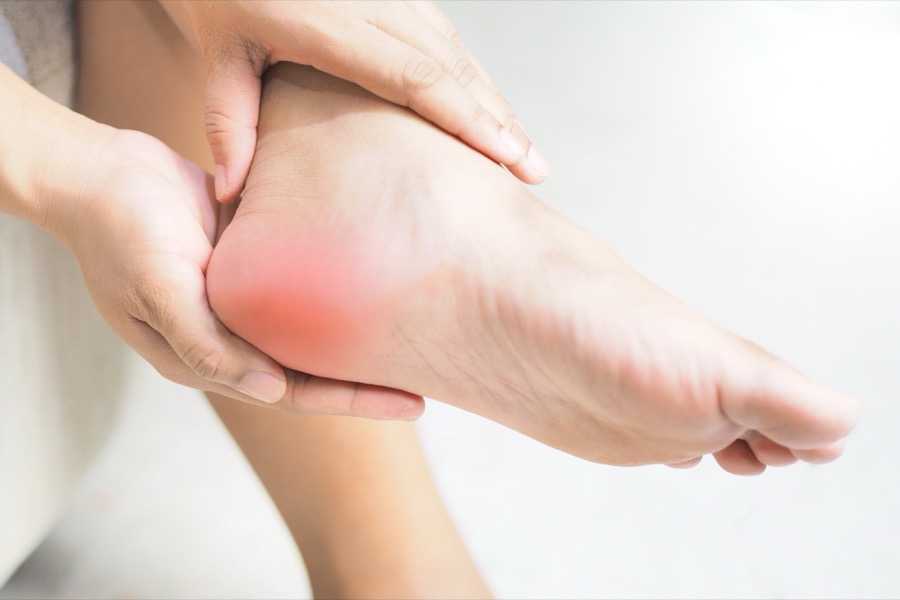
Heel & foot pain
A warm herbal foot soak at the end of the day.
Learn more →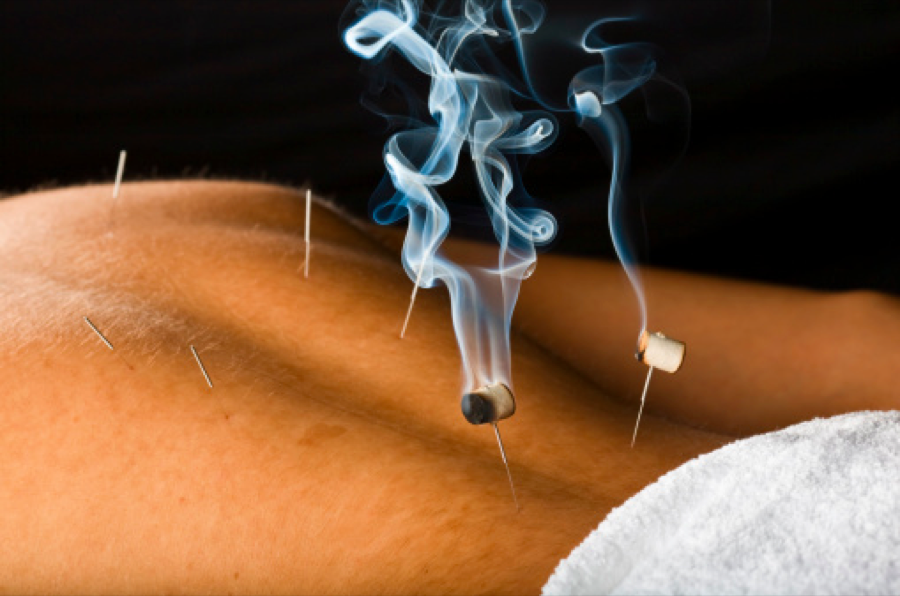
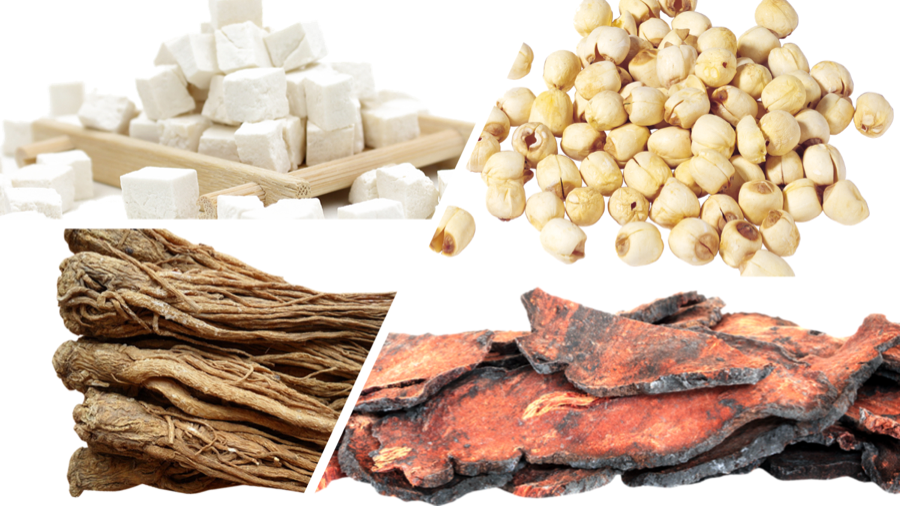
Cold hands and feet
Warming soaks traditionally used to support circulation when you always feel the cold.
Prefer not to take herbs by mouth
A good option if you cannot or would rather not swallow herbal medicine.
Your practitioner will assess whether a herbal wash or compress is right for you at your consultation. They are not a substitute for seeing your GP about new or worsening symptoms.
Frequently asked questions
Can I use a herbal wash on broken or weeping eczema?
How warm should a compress be?
How long should I leave a herbal paste on?
Can I use it alongside my creams or other treatment?
Is it suitable during pregnancy or for children?
How soon will I notice a difference?
Still have a question? Ask our practitioners.
What our patients say on Google
I had acupuncture and cupping with Emma, and she truly worked wonders on my back and neck. I came in barely able to turn my head, and now I feel so much better relaxed, pain-free, and mobile again. I’d had a bad experience elsewhere before, but Emma completely turned things around. Highly recommend!
I am very satisfied with the herbal remedies for perimenopause. I don't have hot flashes after the medication. And electric acupuncture soothes my plantar fascists on both feet. The capsules for bowel movement are working very well.
The staff specially Yao meng did an excellent job. In addition she is very kind and explain to the patients what to expect. Thank you very much.
I highly recommend Acupro. They are very professional and take the time to tailor your treatment for you.
More herbal medicine treatments
Ready to try Herbal Wash & Compress?
Not sure what to book? Just choose the initial treatment closest to your concern: Women's Health, Pain, Skin Condition or General Wellness. Your practitioner will recommend whether Herbal Wash & Compress treatment suits you during your consultation, so there's no need to decide now.
- Fully licensed practitioners
- Covered by private health insurance