Mesotherapy
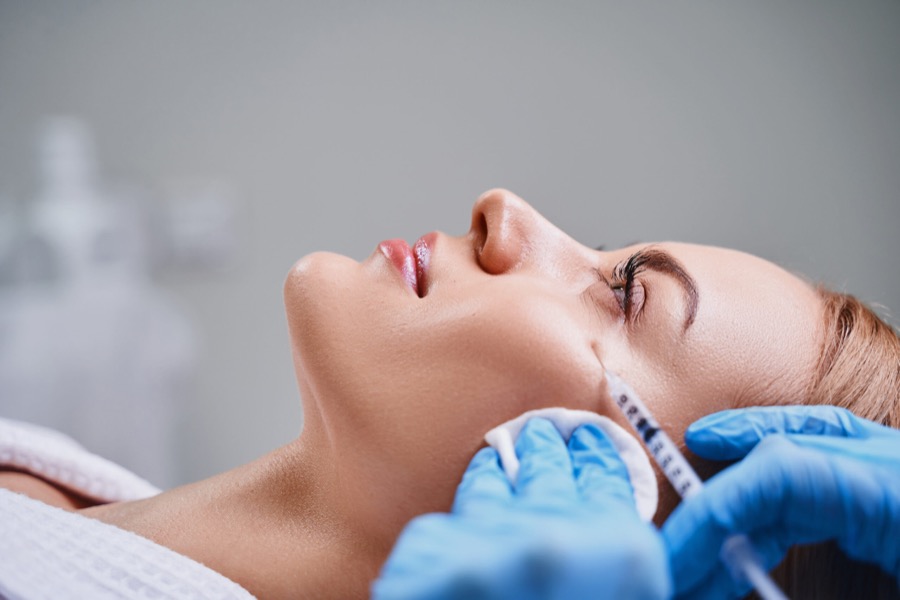
Facial mesotherapy delivers a tailored blend of ingredients such as hyaluronic acid, vitamins and minerals into the middle layer of the skin through many tiny injections, with the aim of improving hydration, texture and overall skin quality.
Book an appointment →Understanding Mesotherapy
-
Background
How Did Mesotherapy Develop?
Mesotherapy was developed in France in the early 1950s by the physician Dr Michel Pistor, who explored injecting very small amounts of medicine into the skin close to the area being treated. The name refers to the mesoderm, the embryonic layer from which the skin’s supporting tissues develop.
Over the following decades the technique spread across Europe and was taken up in aesthetic practice, where it is now commonly used for skin rejuvenation and dehydrated skin. In 2011 the Italian Society of Mesotherapy published a consensus report on the technique, which stressed that it should be performed by trained, qualified practitioners after patients are fully informed of its benefits and limitations[1].
1950sdeveloped by Dr Michel Pistor in FranceMicro-dosesof active ingredients placed in the skinAestheticsnow widely used for skin rejuvenationPractitioner-ledperformed by trained practitionersFigure 1. Key points in the development of mesotherapy.
-
Modern Scientific Perspective
How Does Mesotherapy Work?
In facial mesotherapy, a cocktail of ingredients is placed into the dermis using many very fine, shallow injections. The blend is chosen for your skin and goals and may include hyaluronic acid, vitamins (such as C and E), minerals, antioxidants such as glutathione, and PDRN (polydeoxyribonucleotide).
Micro-injections
into the dermisHydrationHyaluronic acid attracts and holds water in the skin, which may help it look plumper and more radiant.Nutrient deliveryVitamins, minerals and antioxidants are placed directly where they are intended to act.Skin responseThe tiny needle punctures themselves trigger a mild repair response in the skin.Figure 2. The proposed ways facial mesotherapy acts on the skin.
The scientific evidence is mixed and still limited. The Italian consensus group considered mesotherapy useful for facial skin ageing but called for larger trials[1]. A small study of a multivitamin and hyaluronic acid mesotherapy formula found no significant clinical improvement[2], while a systematic review of injectable hyaluronic acid reported improvements in hydration, firmness and texture, noting that large randomised trials are still needed[3]. Results vary from person to person and depend on the ingredients used.
References
- Mammucari M, Gatti A, Maggiori S, Bartoletti CA, Sabato AF. Mesotherapy, definition, rationale and clinical role: a consensus report from the Italian Society of Mesotherapy. European Review for Medical and Pharmacological Sciences. 2011;15(6):682–694. pubmed.ncbi.nlm.nih.gov/21796873/
- Amin SP, Phelps RG, Goldberg DJ. Mesotherapy for facial skin rejuvenation: a clinical, histologic, and electron microscopic evaluation. Dermatologic Surgery. 2006;32(12):1467–1472. doi.org/10.1111/j.1524-4725.2006.32353.x
- Ghatge AS, Ghatge SB. The effectiveness of injectable hyaluronic acid in the improvement of the facial skin quality: a systematic review. Clinical, Cosmetic and Investigational Dermatology. 2023;16:891–899. doi.org/10.2147/CCID.S404248
What you need to know
- 1Before your treatment
What to Prepare
- Please avoid coffee and alcohol on the day of your treatment.
- Come without make-up.
- Bring a cap or umbrella so you can physically protect your face from the sun afterwards.
Please tell us if you are pregnant or breastfeeding, have any allergies (including to local anaesthetic), take blood-thinning medication, have a history of cold sores, or have any active skin infection. Your practitioner will check that the treatment is suitable for you.
- 2During your treatment
What to Expect
- Our clinical assistant will go through the consent form with you. Please ask any questions and let us know about any concerns.
- When you are comfortable to go ahead, a small patch of numbing cream is applied as a 5-minute allergy test. If there is no reaction, numbing cream is applied to the whole face for about 40 minutes.
- An automatic negative-pressure injector then treats the main areas of the face, typically around 100 injections (900 pins) using 5 ml of solution, over about 20 minutes.
- Specific areas such as around the eyes or the nasolabial folds are then treated by hand with about 1 ml more, taking another 10 minutes.
- Straight afterwards, a medical mask is applied with a cooling, calming therapy on top for about 20 minutes.
- 3After your treatment
Aftercare
Days 1–3:
- Rinse your face only with purified (bottled) water, with no products and no make-up.
- Use physical sun protection such as a cap or umbrella.
- Avoid cardio exercise.
Days 1–7:
- Use a hydrating mask twice a day.
- Drink plenty of water.
- Avoid alcohol, spicy food and seafood.
- No sauna or steam.
Small red marks, mild swelling, tenderness or bruising are common for a few days and usually settle on their own. Contact us if you notice increasing pain, heat or swelling.
Who mesotherapy is for
Facial mesotherapy is often chosen by people who want to improve the overall quality of their skin without surgery. These are some of the most common reasons our patients ask about it.
Dehydrated skin
Skin that feels tight, dry or looks tired. Hyaluronic acid is used to attract and hold moisture in the skin.
Learn more →
Dull, tired-looking skin
A lacklustre complexion; many patients choose mesotherapy for a fresher, more radiant look.
Fine lines
Early fine lines, particularly where skin is dehydrated. Mesotherapy may help skin look smoother.
Learn more →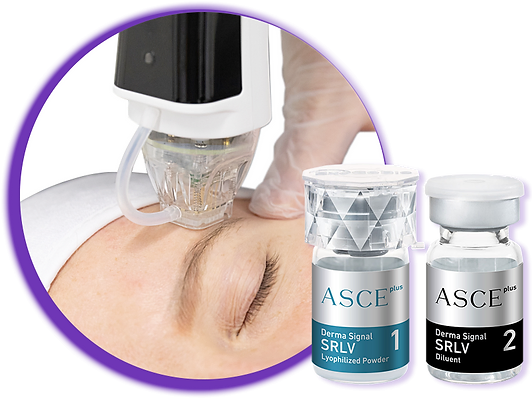
Uneven texture
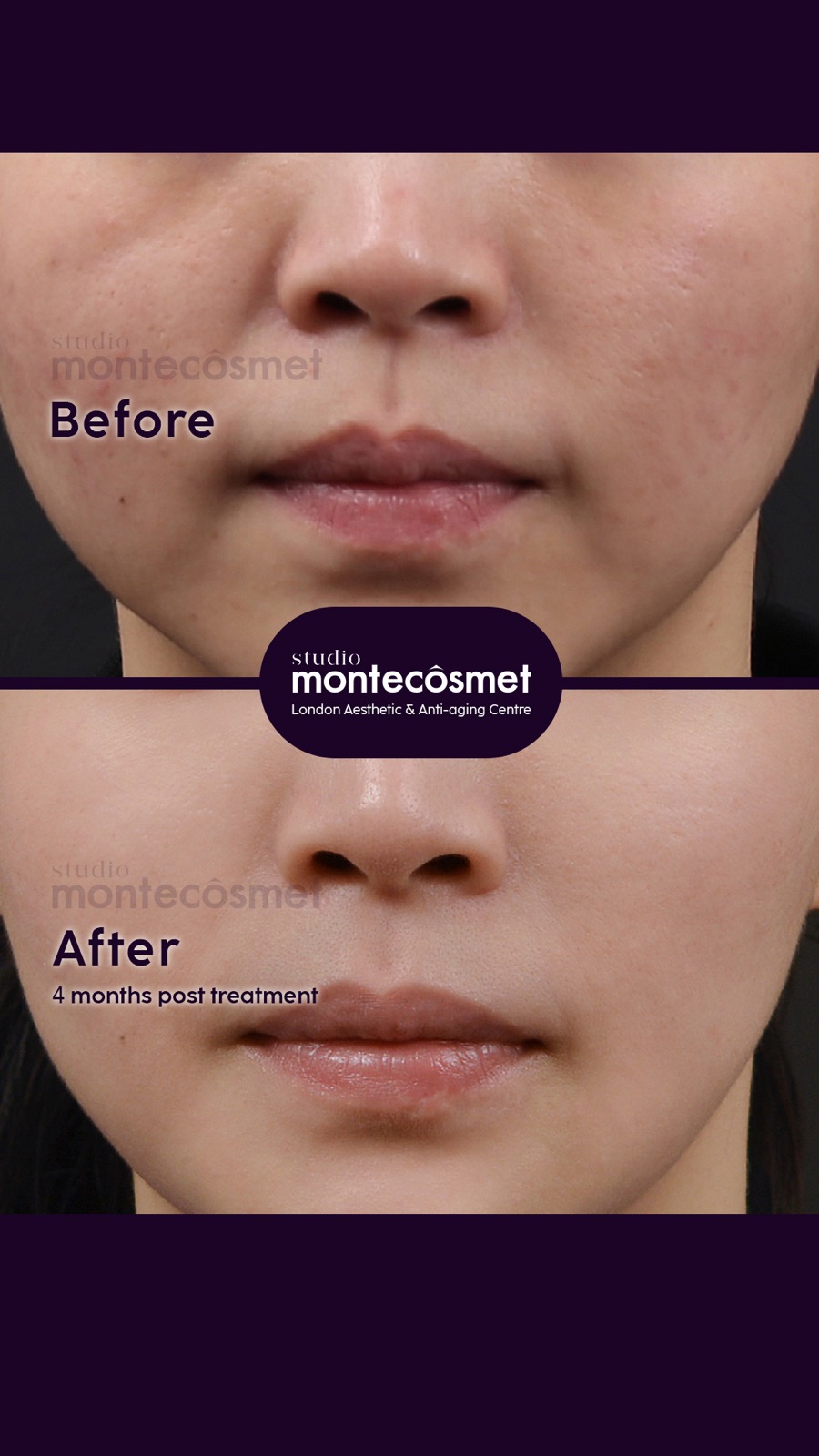
Rough or uneven skin texture, which may improve as hydration and skin quality improve.
Learn more →
Under-eye area
Delicate skin around the eyes, which can be treated by hand with a small extra amount of solution.
Nasolabial area
The lines from nose to mouth, which can be given extra attention during the manual part of the treatment.
Skin maintenance
People who want to keep their skin in good condition as part of a regular skincare routine.
Your practitioner will assess whether mesotherapy is right for you at your consultation. Results vary and are not guaranteed.
Frequently asked questions
What is mesotherapy?
What ingredients are used?
Does it hurt?
Are there any side effects?
When will I see results and how many sessions do I need?
Still have a question? Ask our practitioners.
What our patients say on Google
I had acupuncture and cupping with Emma, and she truly worked wonders on my back and neck. I came in barely able to turn my head, and now I feel so much better relaxed, pain-free, and mobile again. I’d had a bad experience elsewhere before, but Emma completely turned things around. Highly recommend!
I am very satisfied with the herbal remedies for perimenopause. I don't have hot flashes after the medication. And electric acupuncture soothes my plantar fascists on both feet. The capsules for bowel movement are working very well.
The staff specially Yao meng did an excellent job. In addition she is very kind and explain to the patients what to expect. Thank you very much.
I highly recommend Acupro. They are very professional and take the time to tailor your treatment for you.
More massage treatments
Ready to try Mesotherapy?
Not sure what to book? Just choose the initial treatment closest to your concern: Women's Health, Pain, Skin Condition or General Wellness. Your practitioner will recommend whether Mesotherapy treatment suits you during your consultation, so there's no need to decide now.
- Fully licensed practitioners
- Covered by private health insurance